
The 2022 Lambeth Conference had been on my mind and/or hiding somewhere in the very depths of my consciousness for almost three years. Like so many things since the arrival of COVID-19, this exciting, intriguing and extended commission had been delayed. I had first discussed the job back in the late summer of 2019. At that point it was scheduled for July and August 2020. Before the first lockdown I had signed a contract and had been to a few meetings and site visits so the unwelcome delay was a huge professional disappointment to add just one more to the many we were all feeling back then.
Monday 25th July 2022 was the day that I finally I loaded the car with two weeks worth of clothing and pretty much every single item of photographic equipment that I could have conceivably needed before heading to Canterbury.
I’d booked a team of colleagues to come and help me out on various days and there was a Photoshelter website ready and waiting to be populated with our images.
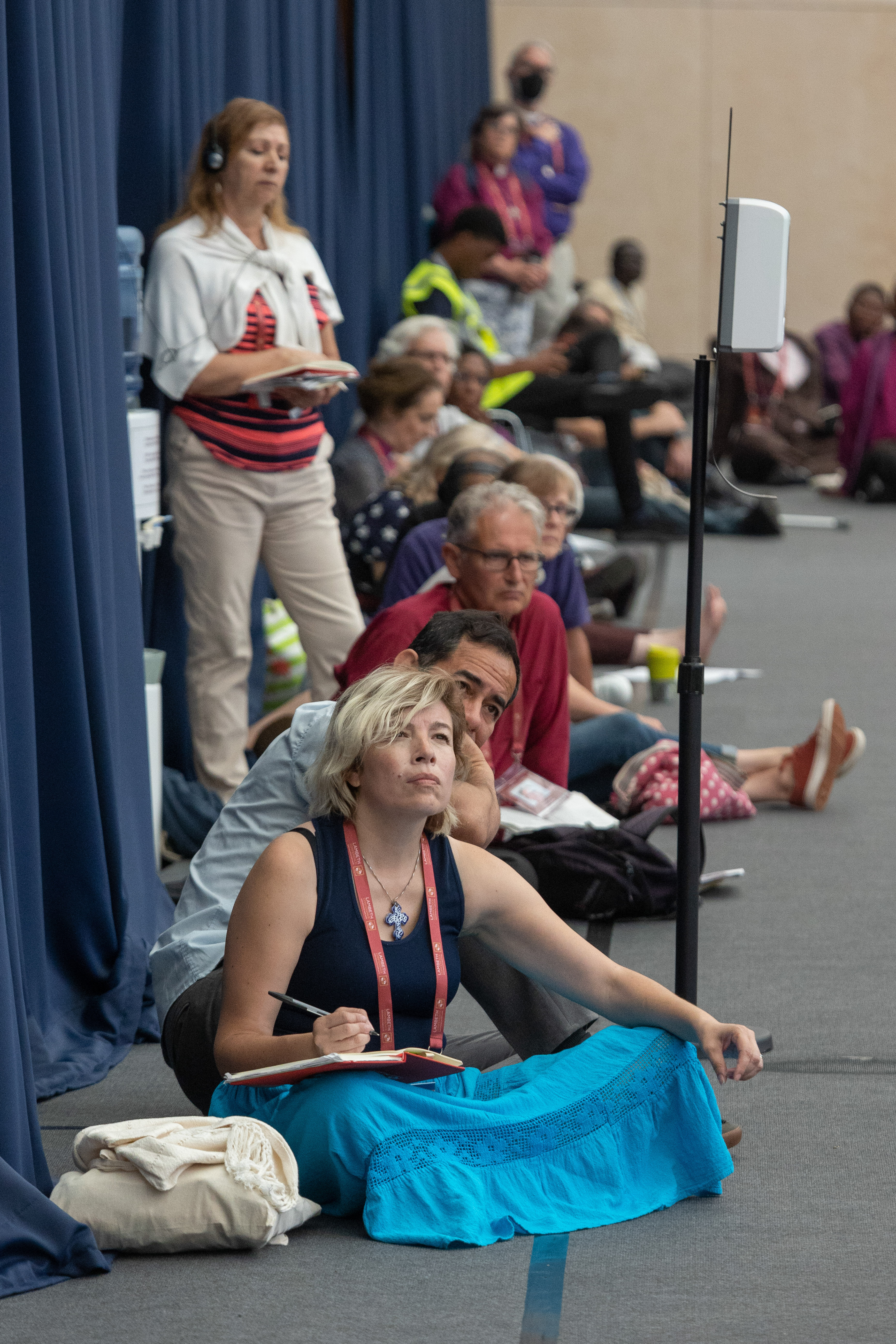
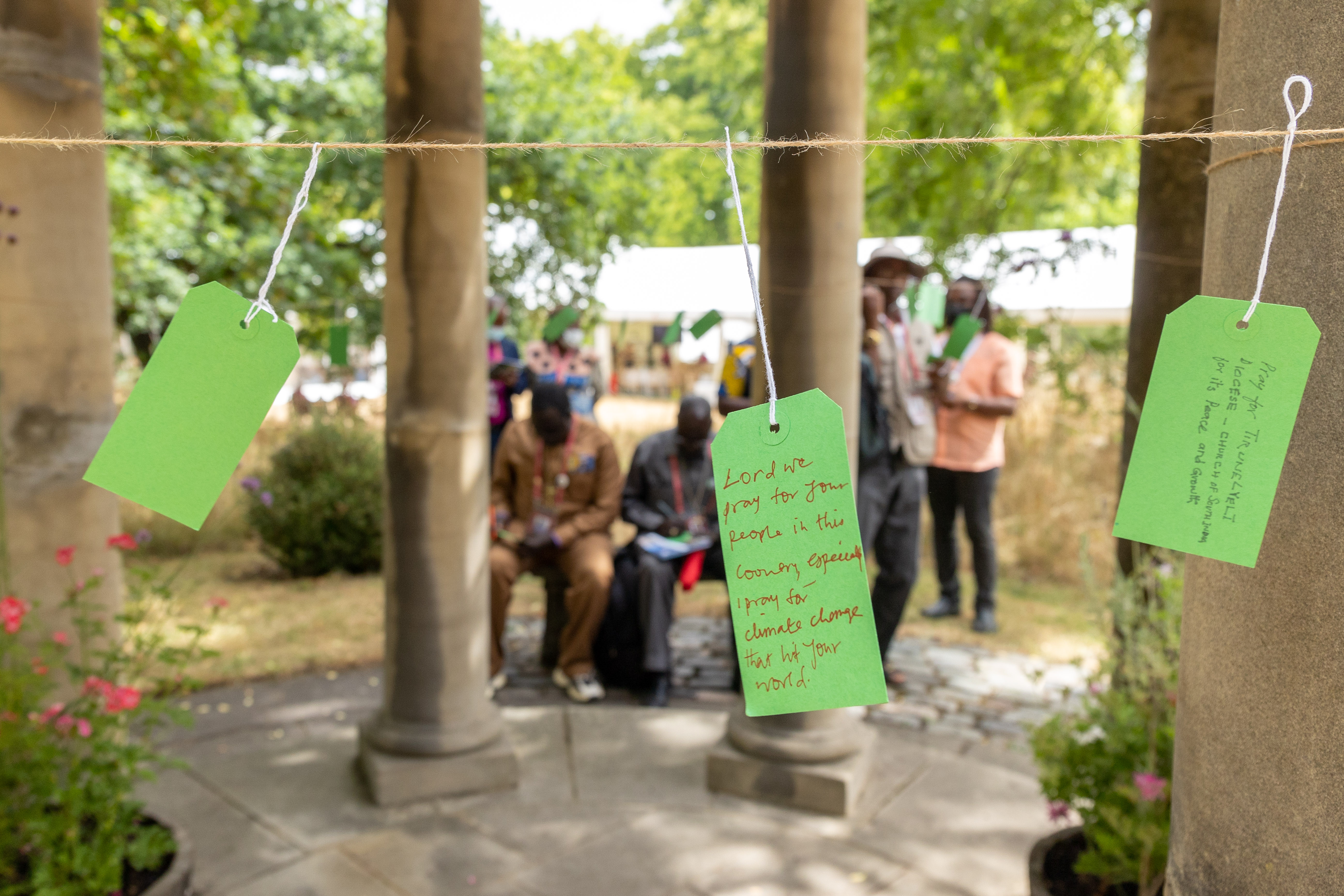
If you have never heard of The Lambeth Conference I can’t say that I am surprised. Essentially, every ten or twelve years The Archbishop of Canterbury invites every single Bishop and Archbishop from the whole of the worldwide Anglican Communion plus their spouses plus a whole range of other guests from all sorts of faith groups to come to the south east of the United Kingdom to discuss church and world affairs with the theme of ‘God’s Church for God’s World’. Topics on the agenda included peace and reconciliation, science and faith, the environment, inter faith relations and more. To put numbers to it, we had over 650 Bishops and Archbishops along with over 500 spouses and guests plus a staff numbering well into the 300s.
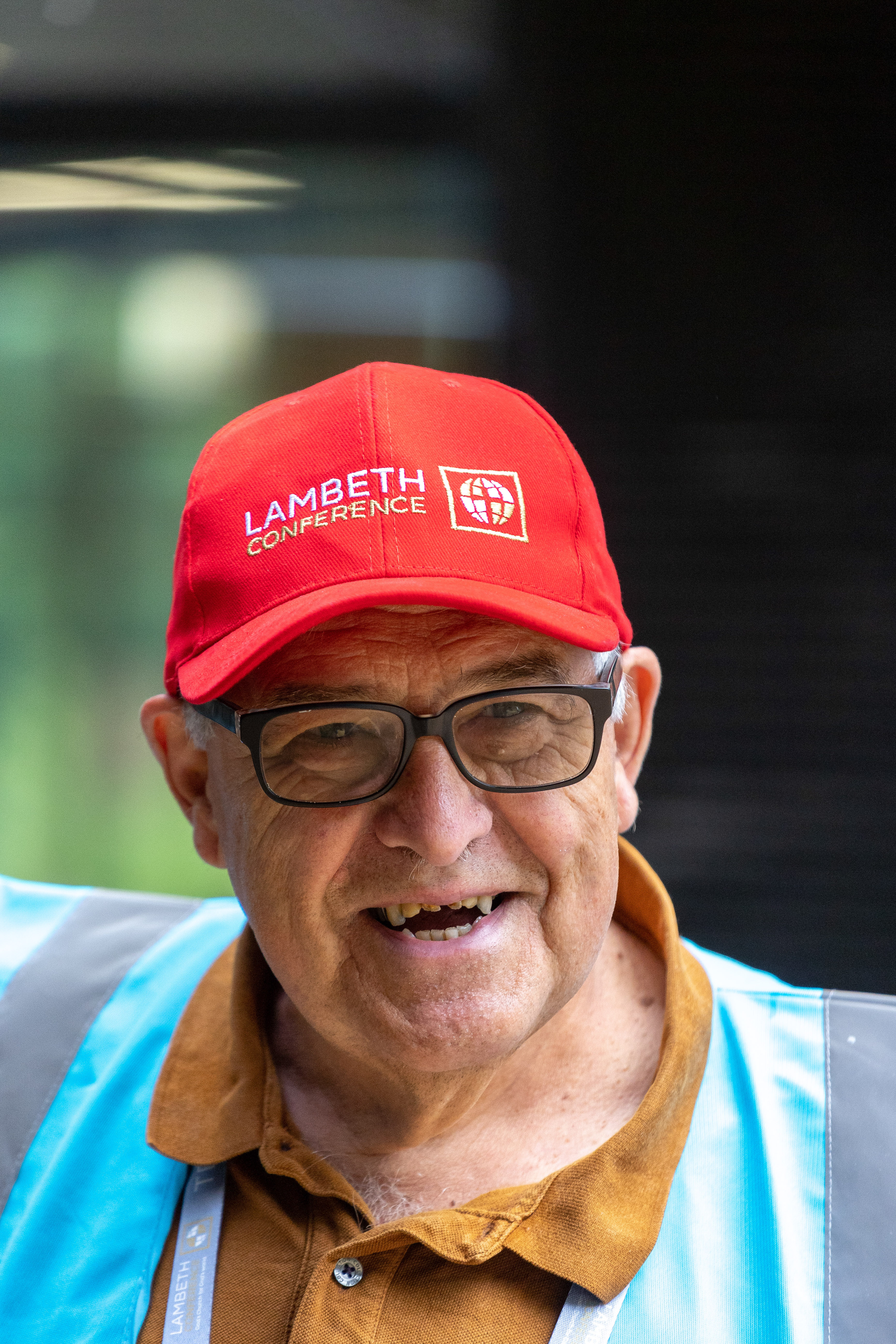
In the space of two weeks I must have shot well over thirty thousand images, edited and captioned around three thousand of them and walked a very long way back and forth across the University of Kent’s Canterbury campus as well as around Lambeth Palace in London and inside and outside of Canterbury Cathedral. I have made friends with a number of Bishops and even been addressed by one of them as “dude” – something of which I am very proud!
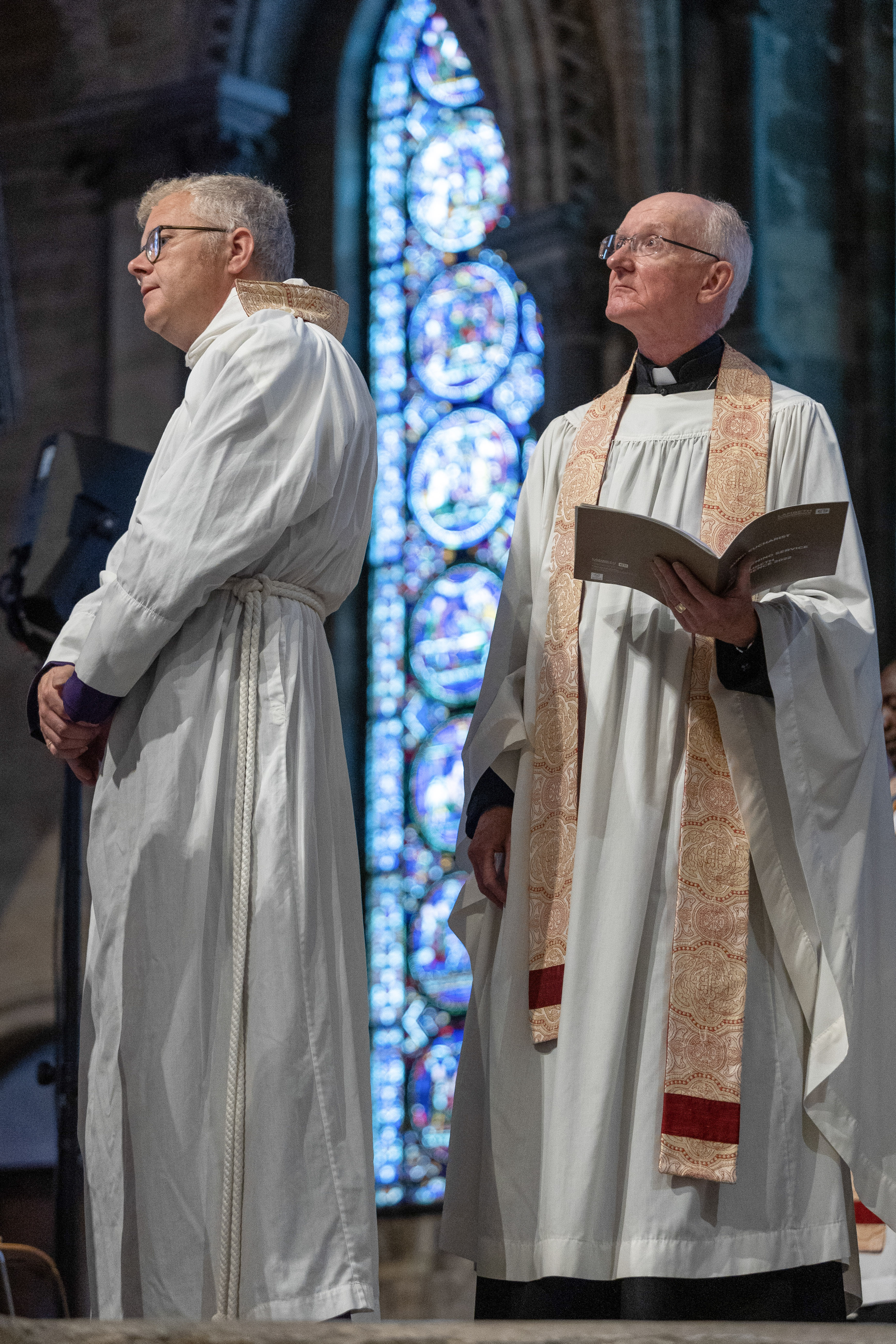
I can’t remember the last time I shot pictures all day and every day for thirteen consecutive days and I can’t remember the last time that I came away from a job feeling so good about it. Some of the conference days were a bit routine but having a free hand to lead a team of photographers shooting services inside and outside of one of the most famous and awe-inspiring cathedrals in the world more than made up for that.
We had thought and talked about the conference over what felt like a very long period in time. We had a plan and we had a schedule. We knew what we needed to achieve but the old adage that plans are unimportant but that planning is essential has rarely, in my career, been more apt. Basically we needed to photograph most of what happened, make those images available live to anyone who needed them and then create an archive with open access to those who wanted to use them to illustrate their stories about the conference. There were plenty of other things to do but that was our central mission.
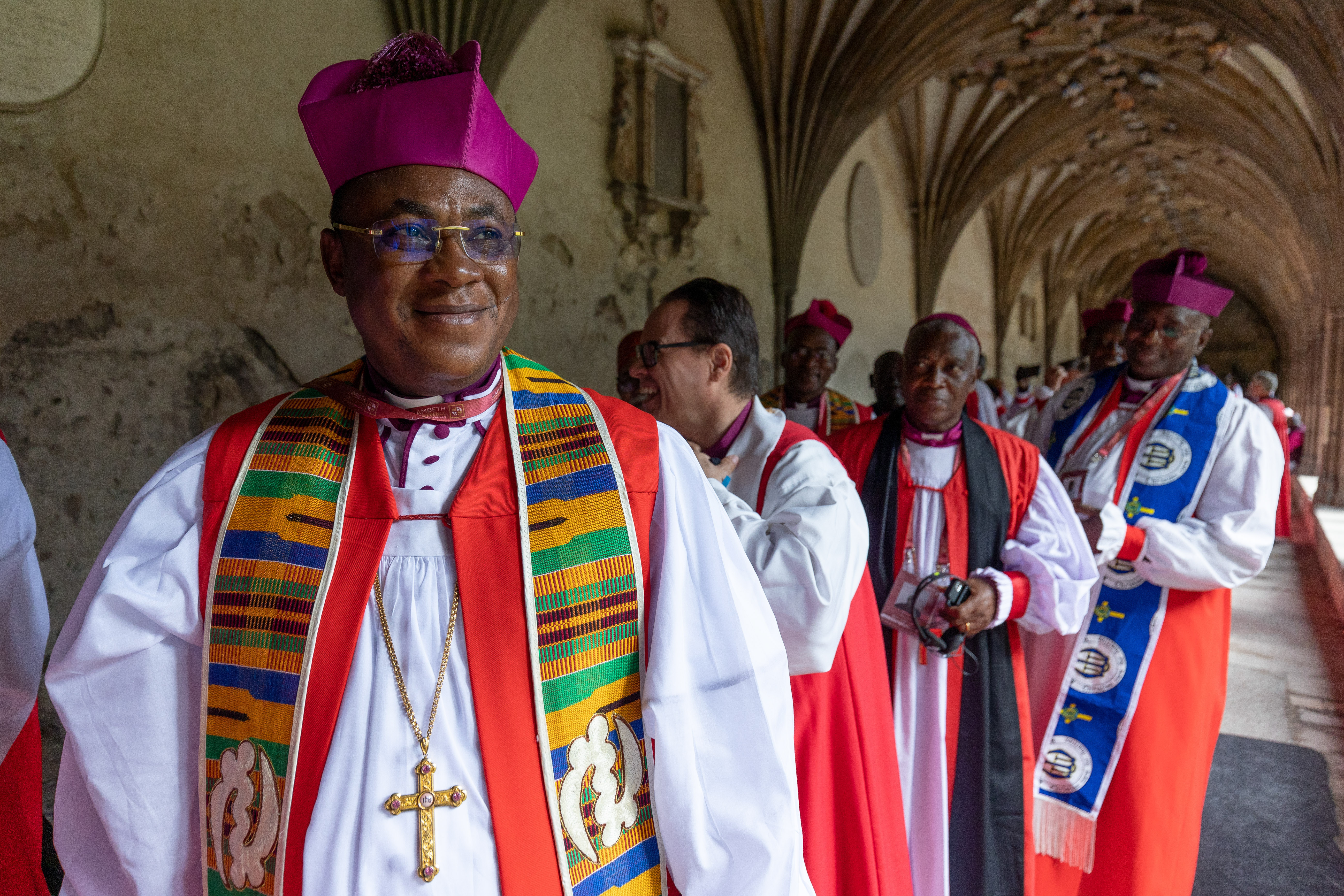
It all started with arrivals. Photographs of the Bishops and their spouses spilling out of coaches and taxis on campus with their suitcases. That was followed by the opening sessions and a routine of activities. On my third full day there the Bishops went into retreat at Canterbury Cathedral whilst their spouses did the same in one of the cavernous venues at the university. On my fourth day the highlight was the Bishops being corralled by the excellent Gillman and Soame for their group photograph and on my sixth there was a wonderfully colourful service in the cathedral led by Justin Welby, Archbishop of Canterbury and on the ninth everyone went for a day out at Lambeth Palace in the heart of London. On my thirteenth day we were back at the cathedral for a quieter and smaller closing service and that was that. At the end of that second Sunday the half-marathon was over.
That was five days ago now and my memories of long discussions with bishops about all sorts of things are still fresh in my memory, as is my gratitude at their willingness to be photographed and witnessing their joy in each others’ company. The amazing characters that I met will, hopefully, stay with me for a very long time. One of the many highlights was being behind the Quire whilst hymns were being sung and being surrounded by members of the Zinafe Choir singing at the tops of their voices with near perfect acoustics and watching some of them dancing where nobody else could see them.
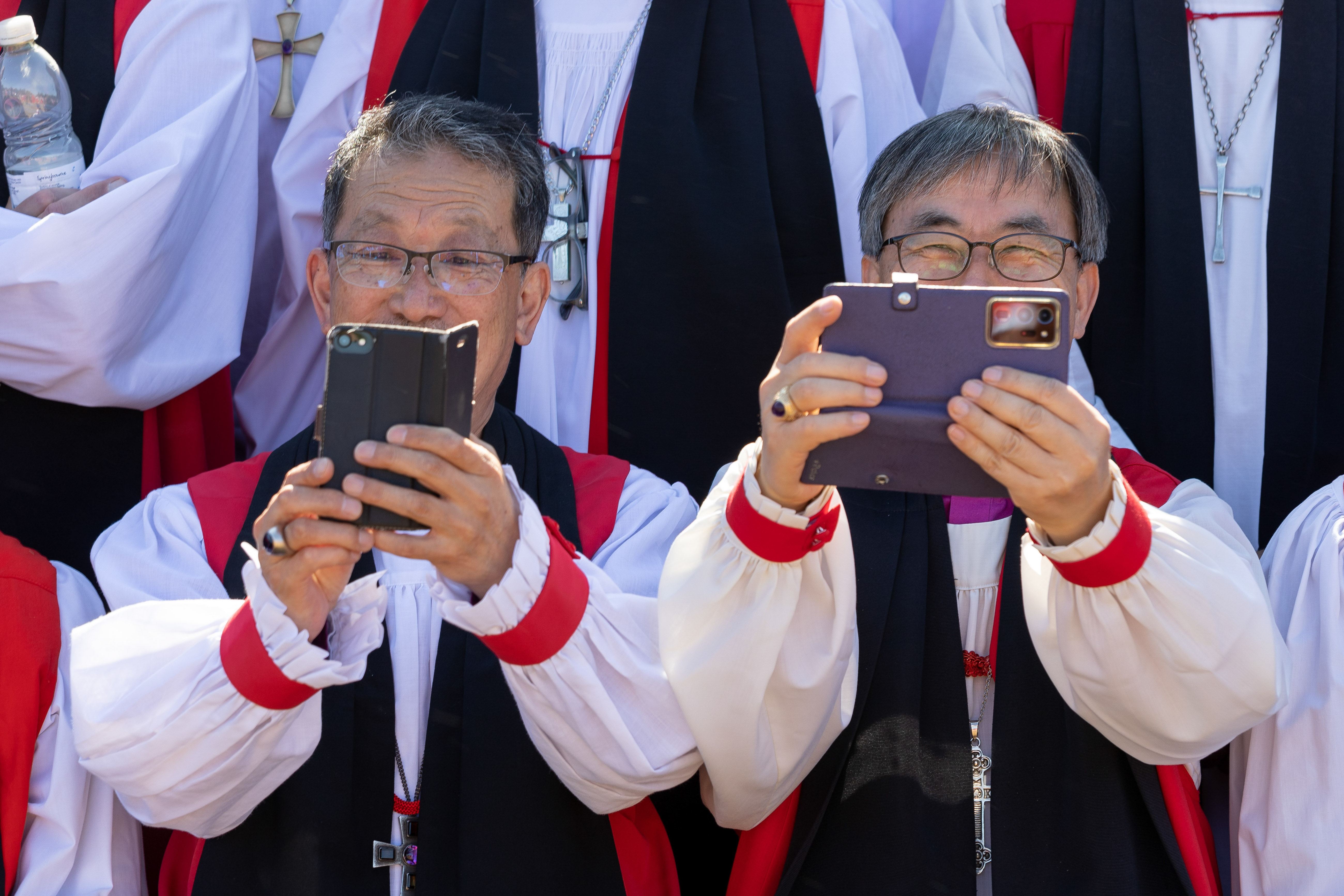
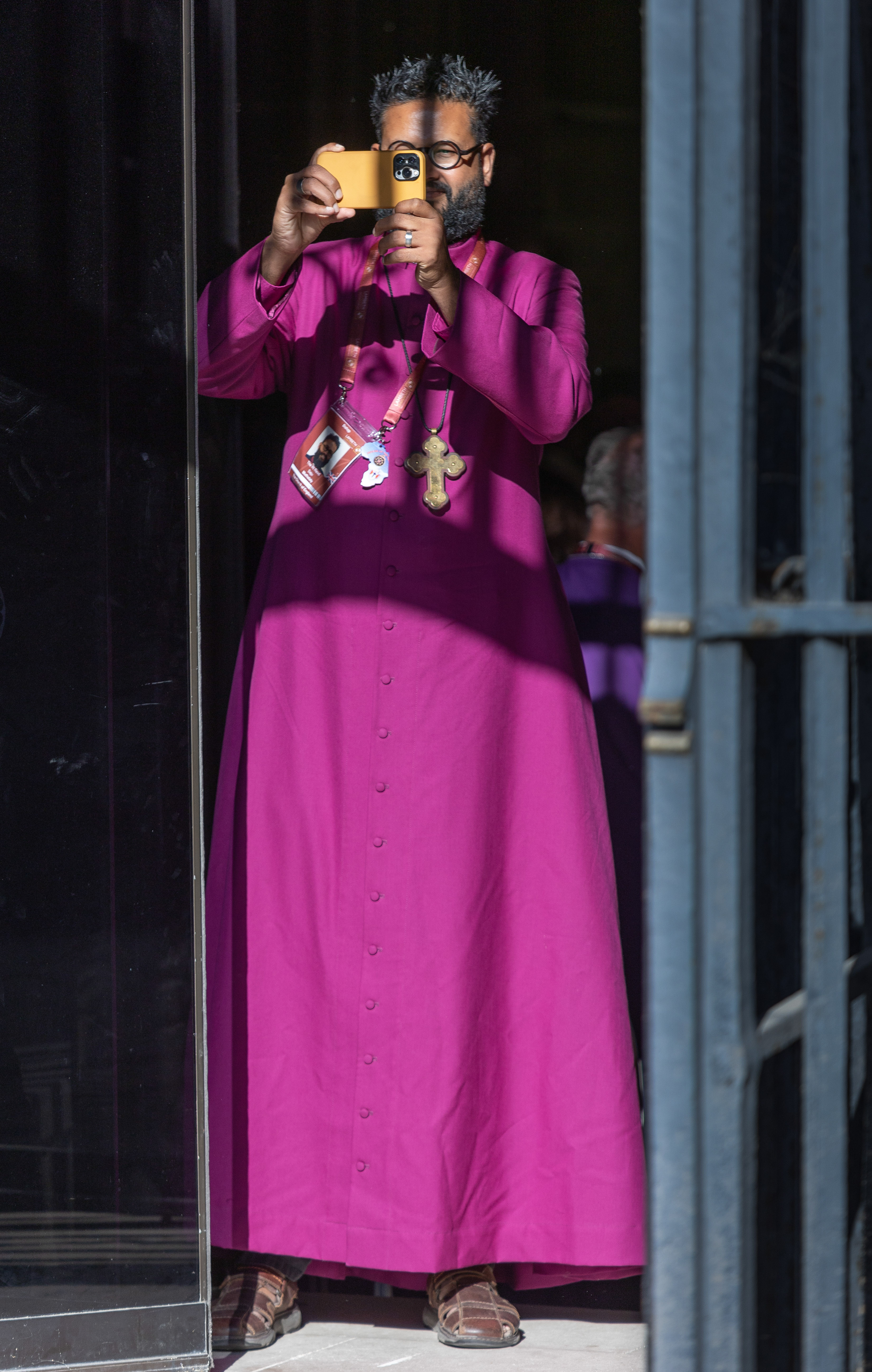
I became fascinated by the variety and beauty of the crosses that Bishops wear and shot many of them whilst hearing the often heart-rending stories behind them. I found out that they are called pectoral crosses as they are supposed to sit against the wearer’s pectoral or chest muscles. That wasn’t the only new term that I learned. I have always been keen to learn collective nouns and it turns out that my “bunch of Bishops” wasn’t so far out – it’s a Bench of Bishops.
The whole event was amazing. To have been there, in the very heart of it, with my cameras was something of a career highlight.










 Neil Turner Photographer
I think you meant choir where you wrote Quire, but who knows when talking about church matters and the intricacies of English as used by the British.
On another topic – how did you light everything – flash, no flash? Or was it well enough lit, or are modern cameras good enough to allow a photographer to forget flash?
LikeLike
That bit of Canterbury Cathedral is actually called the Quire! They also spell verger VIRGER and have a whole load of other quirks. Almost exclusively available light. Inside the cathedral it ranged from 2,000 ISO up to 5,000. The Canon EOS R6 is unbelievably good in low light but and this job was all about being an inconspicuous as possible so no shutter sound and no flash was the order of the day.
LikeLiked by 2 people
May I ask if you had any trouble with banding and available light when using the silent electronic shutter? I shoot a lot of theatre with the R6, and the banding created with LED lights makes life difficult. Thank you. I have a big event coming up in Oxford on Friday, the Arvo Part music festival, across several indoor venues… chapels, churches, concert venues.
LikeLike
A small amount of banding but on this job I was forced to use relatively slow shutter speeds (noting much faster than 1/250th) in the Cathedral which meant that the banding wasn’t as pronounced – especially as there were many different light sources which seems to reduce the effect considerably too.
LikeLike
Neil. Amazing. It was a joy to have you and the team working with us at the Lambeth Conference. I was never in any doubt as to what amazing photos you would produce. Thank you. Lovely reading this post and hearing how much you enjoyed the event. Here’s to the next gig!…
LikeLiked by 1 person
Definitely looking forward to the next big adventure! Thanks for everything
LikeLike