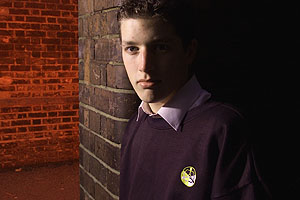
 This colourfully lit picture goes with a story about inner city crime and mugging. The boy in question worked on a report about youth as the victims in the area he lives in. I wanted the picture to have athmosphere, and there is nothing like a bit of coloured light for adding some. In lighting the background it is important to place the background light so that the viewer doesn’t notice where the colour is coming from.
A lot of school buildings in London date back into the nineteenth century, and many of them have areas of austere brickwork which make wonderful locations for portraits.
The image is very simply lit with a single Lumedyne head on the subject at an angle of 90° from the axis of the lens diffused with it’s reflector cover. The flash was about twelve inches above his eyeline. The second Lumedyne head had a red effects filter over the refelector and it was placed behind the wall that the boy was leaning against. (more…)
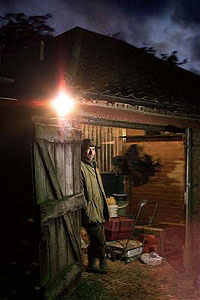 Arriving at the job is usually the best times to start having ideas about locations for a portrait. Buildings often have features that lend themselves to use in a photograph, and the grounds can be just as inspirational.
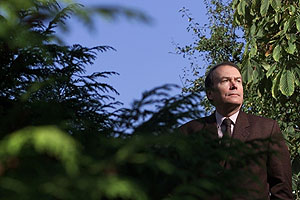 My love of lighting photographs outdoors has made me into an observer of the work of other photographers. If I see a shot that I like I spend time working out how it was done, and if that shot was lit I am even more interested
 When you arrive at a location to shoot a portrait you have to keep up a converstaion with your subject (or someone who works for them) while deciding how and where to shoot the picture.
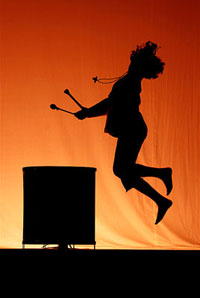 There are many reasons for using a silhouette, and the most common is to preserve the anonymity of the subject. The identity of children is something we are often asked to keep secret – especially if that child has been in trouble with the authorities. This one was done purely for artistic effect…
 Top quality glossy magazines have always had portraits shot outdoors with flash. The relatively low cost and excellent portability of modern battery powered flash units means that this kind of technique is available to all of us.
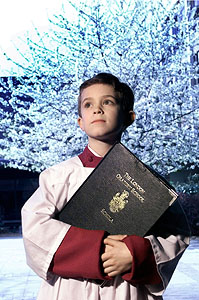 We’ve all seen cross processing and the interesting colours that it gives, but I like to play about with colour temperatures too. Digital allows you to switch from daylight to fluorescent, back to daylight and on to tungsten without having to reload film.
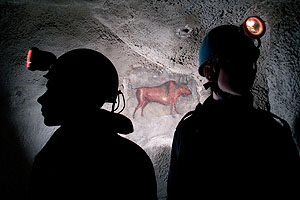 There are many reasons for using a silhouette, and the most common is to preserve the anonymity of the subject. The identity of children is something we are often asked to keep secret – especially if that child has been in trouble with the authorities.
 Neil Turner Photographer