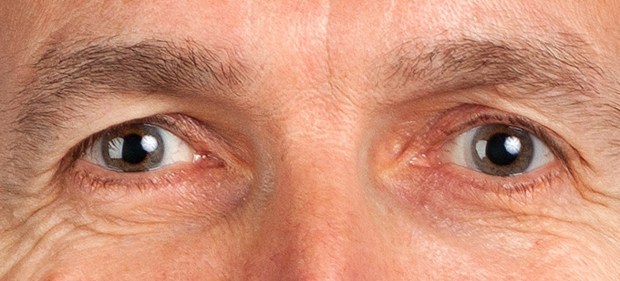
“What is your favourite light modifier?” A question from a photographer who has followed my blogs over the last twenty-plus years got me thinking. Spoiler alert – I probably don’t have a favourite but I do have a few that I use all of the time.
First things first, let’s define “light modifier”. As part of their explanation of modifier Wikipedia describes it as the following:
Tools or accessories employed in photography and videography to shape, control, or direct light emitted from a light source. These modifiers serve to alter the quality, direction, and intensity of light, thereby enabling photographers and videographers to achieve specific effects or moods in their images. Light modifiers come in various categories and types, each with its own unique characteristics and applications.
Seems simple enough but when you start to examine those different categories and types life can get pretty confusing. Thinking about it I realised just how many different soft boxes, umbrellas, reflectors, dishes and domes I own. In fact, the inventory doesn’t even end there because there are so many sub-sets and shapes that it could all get the tiniest bit confusing for me if I hadn’t used each and every one of them so often over the last forty or so years. The fact that I have sold a few here and there and thrown and given so many more just adds to my knowledge of what does and doesn’t work for me and the work that I do – which in itself changes over time.
When you use lighting the need “to shape control or direct light emitted” becomes something of an obsession. I find myself using one light modifier intensely for a few days or weeks before swapping to a different one and then getting bored with that and so on and so on. Sometimes I find myself becoming fascinated by one type of catchlight in the eyes of the people that I’m photographing before moving on and favouring a different one. Sometimes I like to have what I can only describe as “indefinable catchlights”; shapes and even colours that most other photographers struggle to work out. Whilst we are talking about something being definable or not then let’s find a definition:
A catchlight is a reflection of one or more light sources that illuminate the subject. Most conspicuously seen in eyes and regularly used to give added emphasis to them.
Over the years I have tended to use square or rectangular light modifiers yet when I looked closely at the images in my portrait folio and my headshots selection it was actually pretty even between four sided and round or umbrella shaped catchlights (where it could be seen definitively what kind of light source I was using). What you won’t see any more is a ring light. I have never found their catchlights appealing and now that the continuous ring light has become the go-to tool for social media posts and influencer videos I have hidden mine in a case in the garage for the foreseeable future.
Very early on in my career I realised that I needed to learn how to read other people’s work. I wanted to see how successful photographers lit their subjects and one of the biggest clues was to look at the position, size, shape and quantity of catchlights. As part of that process it became very obvious that there were many different ways of achieving beautiful results. The one thing that they all had in common was that no matter whether it was left, right or centre the main light was at or above the middle of the eye. That’s a lesson that has stayed with me right through my career.
So what do I have and what is my favourite? Tough question. My most used light modifiers are:
- 60cm x 80cm Chimera soft box which uses four carbon-fibre tensioned rods and an Elinchrom fit Photoflex speed ring to hold it rigid and mount it to various Elinchrom and Lumedyne lights that I have used with it over the years. I’ve had it since 1996 and, despite being battered and repaired, I still use it a lot. As time has gone by the fabric has yellowed a little but it is still a great piece of kit.
- 70cm Elinchrom shoot-through translucent white umbrella which is super lightweight, rapid to set up and gives a really lovely light when used indoors with reflective surfaces that pick up the spilled light. I have had a few of these over the years and the current one dates from 2008.
- 80cm x 80cm Godox SFUV collapsible soft boxes ( I have two) that I use mostly with Canon flash units for a super portable set up as well as with Elinchrom ELB400 heads. Like all portable kit it takes time and a bit of familiarity to set them up but they do a great job and are very keenly priced. They fold like a Lastolite style reflector (or a cheap festival tent) and rely on a bulky adapter when using them with a Speedlite.
- 90cm x 60cm PhotR soft box that folds like an umbrella
- 80cm x 80cm (ancient) Elinchrom soft box that uses complicated triangular brackets for its rigidity along with another almost identical one that’s 100cm x 100cm. Elinchrom sold shaped front diffusers for these and I bought the circle and had a heart custom made for the 80cm x 80cm version.
I also have a few soft boxes that are rounder in shape including the giant 190cm (and very rarely used by me) Elinchrom Octa and a very clever 60cm Neewer folding beauty dish which is actually rather bulky when folded. I have a 35cm rigid beauty dish which gives a lovely light but is a bit difficult to carry and has probably seen better days given that it was an adapted piece of kit in the first place.
I have a couple of 90cm Lastolite Umbrella boxes which are white reflective umbrellas with a zip up cover made from translucent diffuser type nylon and a whole series of different umbrellas that I have bought, liked for a few jobs and then discarded including a couple of super-adaptable Westcott double-folding ones which were great for air travel because they collapsed so small.
In total, I found 23 different light modifiers in various boxes, bags and cases and I am pretty sure that there are more around the place
Because of the nature of the work that I do it’s always a trade-off between speed of operation, portability, controllability and quality of light. If it takes too long to set-up and break down then it will often get left at home. If it’s difficult or heavy to carry it will often get left at home. If you cannot get the right light from it then I shouldn’t have bought it in the first place. When you spend most of your working life travelling to an unknown location and don’t really know what to expect you have to give yourself the best chance of getting great light and that means using what works at that moment on that day. I have always liked big soft light sources and that has often meant bouncing lights off of walls, occasional ceilings and all manner of surfaces – and therein lies the irony of owning so many light modifiers; it’s amazing how often they stay in the bag when I can bounce.
 Neil Turner Photographer