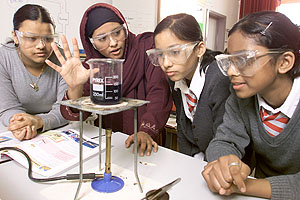
 It is regularly the case that the simplest looking image actually requires a lot of thought, mental arithmetic and good old fashioned compromise. This picture has a number of compromises.
I have talked before about using light to make a scene look as if it hasn’t been lit. Achieving a look where the whole scene looks natural in a large room is difficult unless you have five or six lights unless you think laterally.
Direct flash presents all sorts of flash fall off problems. The formula goes something like this:
The amount of light reaching a subject will halve if the flash to subject distance increases by a factor of 1.4x
If there are two subjects in the image and one of them is double the distance from the light source then the further one will be two stops underexposed if the first is correctly exposed.
Sounds complicated? It isn’t. There are some things in the theory of photography, and more specifically in the theory of photographic lighting that need practical examples to make sense.
Hopefully this makes sense, the distance from the camera to the subject doesn’t make any difference. It’s the flash to subject distance that is all important, so as you can see in this example double the distance/quarter the light. (more…)
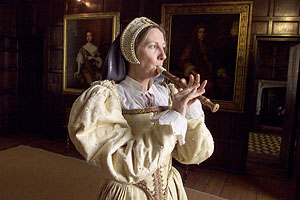 For just over a year I have been writing these “how to do it” columns about the use of flash in my daily news photography. This time the picture I want to talk about was shot with good old fashioned available light. Not only that it was shot using what artists and early photographers loved for their studios – North light.
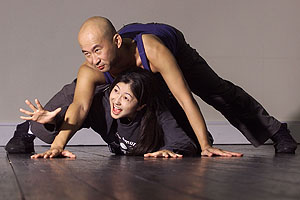 I am often asked to photograph dance and drama. This time it was an early rehearsal for a piece involving Japanese dancers that was taking place in a messy rehearsal room. I decided to watch what they were doing and make notes of the best scenes to re-create with decent lighting. I think that still counts as news photography….
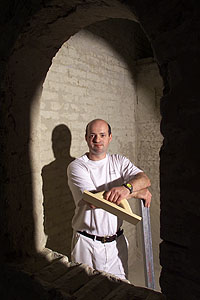 When most people take their first steps with using lights they try to make the photographs shadowless. The ability to do this is very useful, but sometimes it’s far better to place your own shadows exactly where you want them.
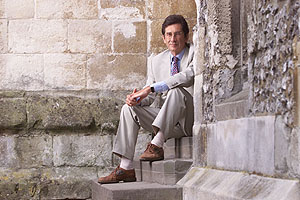 It’s quite often the case that the available light looks great, but that there just isn’t enough of it. The trick here is to use flash to supplement the ambient light without replacing it. When you have the headmaster of one of the world’s oldest and grandest schools it isn’t difficult to choose a location in which to make his portrait.
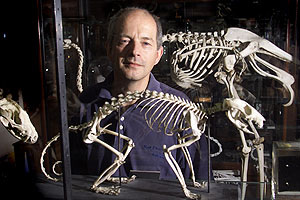 Having glass or any reflective surface in a photograph normally strikes fear into the heart of most photographers. This portrait has at least ten panes of glass in shot, but careful lighting and liberal use of the LCD screen on my digital camera made the glass nearly invisible.
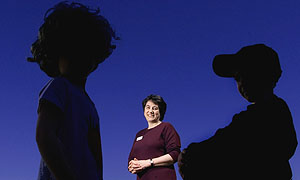 This is going over old ground somewhat, but I think that given a second and third example of techniques discussed before and combined here you start to get a deeper understanding of how various techniques can be intertwined.
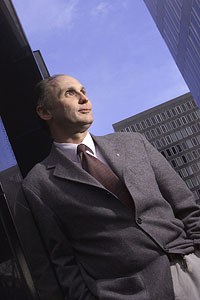 Sometimes you have no other option than to get your flash unit out of it’s hot shoe and make it perform like a studio style strobe. Whether it’s the Canon 550ex, the Nikon SB28DX or another make altogether there are some simple steps you can take to produce cultured and interesting images.
 Neil Turner Photographer