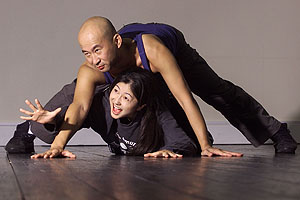
 I am often asked to photograph dance and drama. This time it was an early rehearsal for a piece involving Japanese dancers that was taking place in a messy rehearsal room. I decided to watch what they were doing and make notes of the best scenes to re-create with decent lighting. I think that still counts as news photography….
Life is usually easier when you are dealing with professionals and that is often true with actors and dancers. The group of four dancers that I was working with were really happy for me to watch them and were a little relieved when I offered them the chance to pose the photographs as their rehearsals were at such an early stage that they felt it would make them more comfortable to do so.
I watched them working for about fifteen minutes and used my digital camera as a notebook, photographing small scenes that we could then set up and light properly. The dancers quickly forgot that I was there and with the images being purely a form of notation I shot at 1600 ISO from the back of the room.
When they reached a suitable break I got them and the director together and we looked through the various quick images that I had shot on the LCD screen. I explained to them what I liked and disliked about the various positions and we settled on three scenes to photograph. (more…)
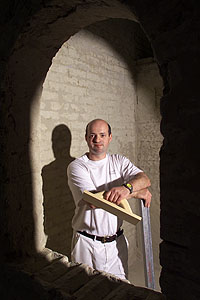 When most people take their first steps with using lights they try to make the photographs shadowless. The ability to do this is very useful, but sometimes it’s far better to place your own shadows exactly where you want them.
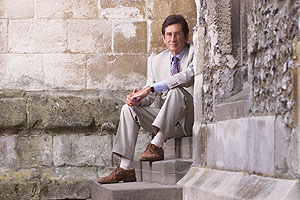 It’s quite often the case that the available light looks great, but that there just isn’t enough of it. The trick here is to use flash to supplement the ambient light without replacing it. When you have the headmaster of one of the world’s oldest and grandest schools it isn’t difficult to choose a location in which to make his portrait.
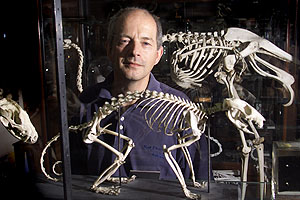 Having glass or any reflective surface in a photograph normally strikes fear into the heart of most photographers. This portrait has at least ten panes of glass in shot, but careful lighting and liberal use of the LCD screen on my digital camera made the glass nearly invisible.
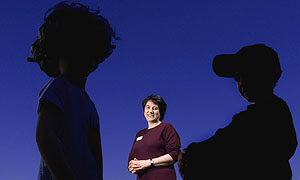 This is going over old ground somewhat, but I think that given a second and third example of techniques discussed before and combined here you start to get a deeper understanding of how various techniques can be intertwined.
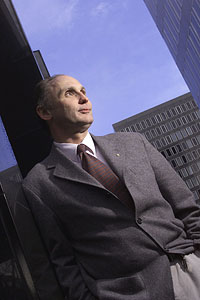 Sometimes you have no other option than to get your flash unit out of it’s hot shoe and make it perform like a studio style strobe. Whether it’s the Canon 550ex, the Nikon SB28DX or another make altogether there are some simple steps you can take to produce cultured and interesting images.
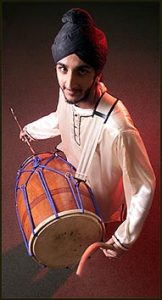 When you have just spent three hours driving to a job going over what the picture editor and the designer said to you about the pictures that were required it is inevitable that you start to make some plans. This job was certainly such an occasion.
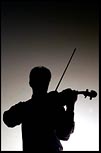
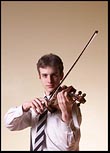
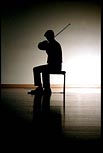 The way that an image is destined to be used dictates how you shoot it. This example talks about the difference in approach to shooting what is essentially the same subject, but for two different uses. I went to this southwest London school to shoot a “fly on the wall” documentary article about a music project to fill a couple of pages in a tabloid sized magazine.

