We all do it… make promises to ourselves about what we are going to do and how we are going to do it as another year begins. Take more pictures, get more exercise, make more money, be nicer etc etc. You can take it as read that I’m attempting all of those but I thought that I’d talk about the first one – taking more pictures.
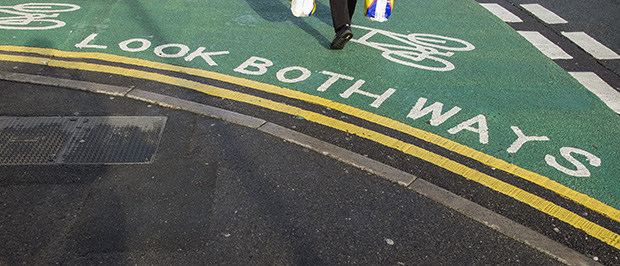
©Neil Turner January 2014. Shot using a Fujifilm X20
Time after time in my career I have realised that the more I shoot, the better my reactions are and the more instinctive the operation of the camera becomes. I’m pretty sure that someone could even devise a mathematical formula for it where x is the number of pictures you shoot over a given period of time, y is the number of days over a given period where you don’t take pictures and z is the probability that when you are shooting an assignment you absolutely nail the job. Unfortunately I’m not an imaginative and innovative mathematician so I’m not going to be able to define that formula – if you have the ability, please feel free to finish the task for me but not until you have read the rest of the puzzle:
All of this seems to be rational, don’t you think? There are a couple of flies in the ointment though: If you do too much of the same kind of thing, you can get into a rut and just keep producing cookie-cutter images.
So does that mean that there is an optimal amount of pictures to be taken? Well yes… and no… If you are shooting very different images on each occasion then you can take a lot more pictures and get a lot sharper without becoming stuck in the rut that I mentioned just now. There is a further variable that we need to include in our increasingly complex formula – having the time between shoots to properly edit our own work and to reflect on why and how certain pictures did and didn’t work and this requires a degree of knowledge and of technical and analytical skill.
Now we need to clarify what the formula needs to say:
- Take lots of different pictures using different techniques and different equipment.
- Don’t take so many pictures that you get stuck in your ways.
- Have the time to edit and analyse your work.
- Learn from your successes and mistakes.
- Make sure that you know why and why the pictures that you like worked and why the rest didn’t.
All of this makes me re-assess my new year’s resolution. It isn’t just to take more pictures – it’s to take more different pictures and to learn as much as I can in the process. If I get time I might even learn a bit more about mathematical formulae too.

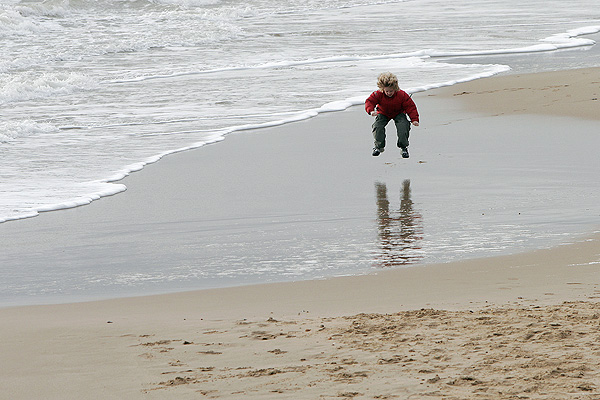
 Neil Turner Photographer