portrait

Archive photo: Carl Djerassi, London, June 1999

©Neil Turner/TSL. London, June 1999

I shot this portrait of Carl Djerassi, co-inventor of the contraceptive pill, scientist and playwright in his London flat. He was mainly resident in San Francisco but kept a home in the UK as well. He was a very quiet and considered man who was used to, but not particularly keen on, publicity. I was attracted to the shape of his dining chairs and the almost egg-like shape of the top. I don’t recall whether we discussed the shape at the time!

College Principal, July 2006, London

©Neil Turner/TSL. July 2006, London.

Jane Rapley was about to take over as the new head of Central St Martins College in London when I shot her portrait in July 2006. After 17 years at the famous arts college in a variety of posts she became the Principal in August 2007. I photographed her in her office and then in one of the galleries that they use for student shows at Central St Martins on Southampton Row in central London.

This particular frame was shot in case the designer wanted to use the portrait full page and run a headline and some text over the image itself. The rest of the shoot was more varied and included some very wide portraits, which seem to have been what I was interested in at that time. It is fascinating that when you look back at your own work on a chronological basis you can definitely see trends and fashions in the way you compose, light and post-produce pictures. This was one of my softer lighting periods!

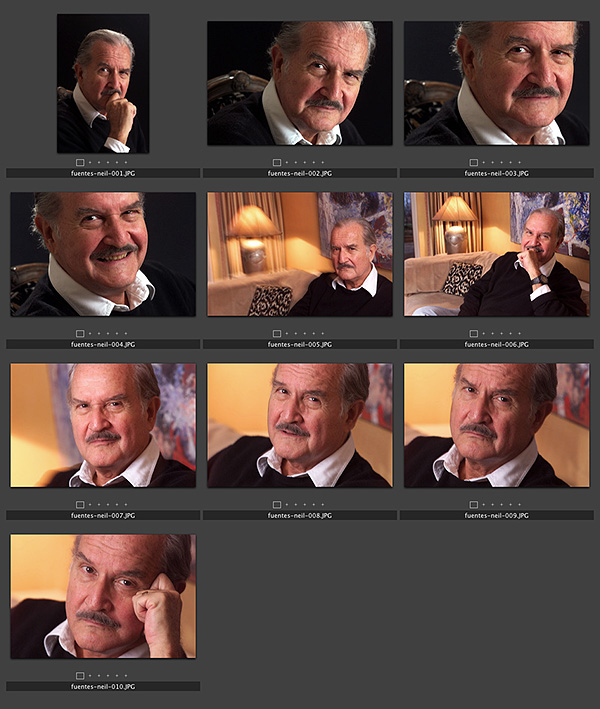
Carlos Fuentes portrait – the “contact sheet”

Going back through an old portfolio I was reminded of a lot of portraits that I used to love. One of them is this session with Mexican author Carlos Fuentes shot at his London home in December 1999. He was both charming and cooperative and his home was easily spacious enough to set up as much gear as I had been able to carry up the stairs.

©Neil Turner/TSL. December 1999. London

He had already been interviewed by a reporter to whom he was obviously a hero and I had spent a while asking her about him and his work. These were the days when the internet was just starting to become useful for background research. The trouble was that this was a last minute assignment and getting on line when you were on the road was a very tricky task. These days we all have smart phones with Google and Wikipedia but back then it was a lot tougher to become an instant expert of your subject. I looked his CV up later and was a bit embarrassed that I had never heard of him. I read a coupe of translations of his books over that Christmas break and I hope that I will never get caught out like that again.

Techie stuff: Kodak/Canon DCS520 cameras with 17-35 f2.8L, 28-70 f2.8L and 70-200 f2.8L lenses. All lit with a Lumedyne Classic series flash and a 70cm shoot through umbrella with the hair light in some frames provided by a Canon 550ex flash unit.

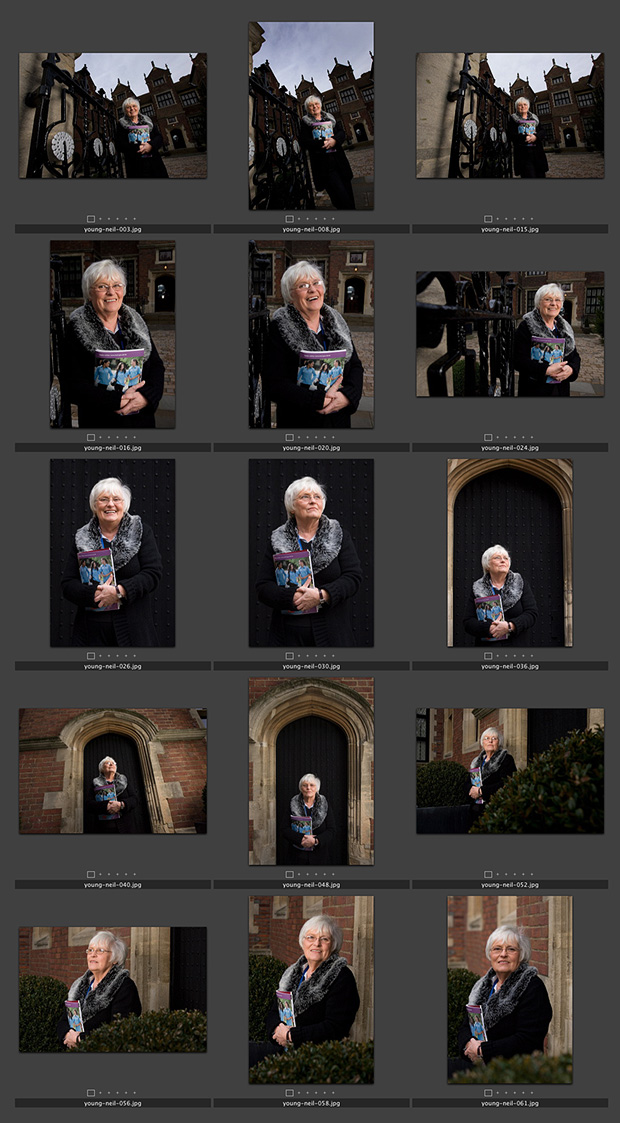
Choice adviser – the “contact sheet”

This is another contact sheet that doesn’t quite fit in with my previous postings. The lady in the portraits is a “Choice Adviser” whose job it is to work with children and their parents to help them choose which secondary schools are best for them and to help them make their applications to their chosen schools. Part of her job is to hold workshops and the pictures were taken outside the most beautiful of the buildings where she does those workshops.

©Neil Turner/TSL. December 2006, Kent.

The portraits were done quite late in the afternoon on a cold and miserable December day back in 2006. I chose to shoot with quite a lot of light and there were two Lumedyne packs and heads used on most of these images balancing the flash with the ambient light. My brief was just to shoot nice portraits and I had no idea what kind of shape or even where in the newspaper they would go and so I had to give the Picture Editor as much choice as I could.

I wouldn’t normally choose to shoot someone in a black coat against a black door but on this occasion I really like the effect. For my money, making good portraits with people who are shy and who are unused to being photographed on cold, damp December days is a lot tougher than working with celebrities.

Techie stuff: Canon EOS1D MkII cameras with 16-35 f2.8L, 24-70 f2.8L and 85 f1.2L lenses. Mixture of available light with two Lumedyne Signature series flashes, a small soft box and a 70cm shoot through umbrella.

Ahmet Zappa – the “contact sheet”

Ahmet Zappa is the son of legendary rocker Frank Zappa and is an author who has written books for children. A resident of Los Angeles, he was photographed at the offices of his publishers, Penguin Books on The Strand in London. I was there at the same time as one other photographer and we played this weird “your go, my go” dance shooting portraits in turn in different parts of the beautiful building. He was more than happy to clown around – his PR team were less sure until we showed them what the pictures looked like on the LCD screens, at which point they became very happy indeed!

©Neil Turner/TSL. London, August 2006.

The magazine went for frame 032 but I have always preferred 027. It has been in and out of my folio over the last three years and I think that it will get another outing soon.

Techie stuff: Canon EOS1D MkII cameras with 16-35 f2.8L, 24-70 f2.8L and 70-200 f2.8L lenses. Some available light but mostly with a Lumedyne Signature series flash and a 24″ x 32″ Chimera soft box. There is also quite a bit of ambient light in the pictures.

The man who wrote “The Very Hungry Caterpillar”

Everyone who has ever read books to very young children should have seen “The Very Hungry Caterpillar”. It’s an absolute classic and, back in 1999 I had five minutes to shoot a portrait of Eric Carle, the American writer and illustrator who created it at a London Hotel. I should have had longer but I was badly late because I’d been given the wrong address but he was charming, patient and his PR people were relaxed as well. At the time, he was 70 years old and the book was coming out as a 30th anniversary edition.
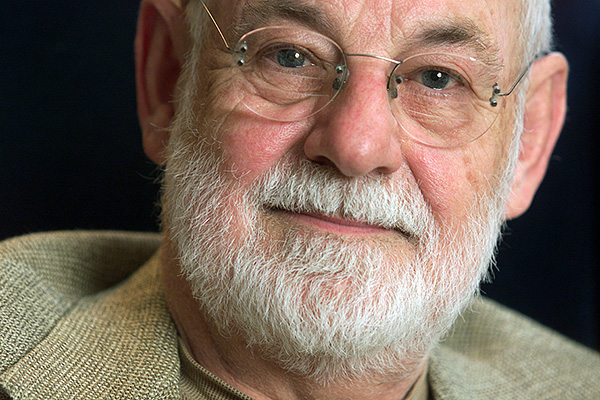
©Neil Turner/TSL. May 1999, London.

As soon as I got there, I set up my Lumedyne battery powered light with a simple shoot-through umbrella and started to work.  The author was sat in a high backed chair and I decided to work around where he was already sitting – he looked relaxed and I was still in “full apology mode”.

Although this was nearly 13 years ago I can still remember a random throughout that came into my head “if I were casting someone to be Santa Claus, it would be this guy”. From then onwards all I could see was a really nice bloke with a twinkle in his eye that children would adore. The fact that he must have illuminated millions of childhoods was certainly in my mind and we shot some very nice pictures very quickly.
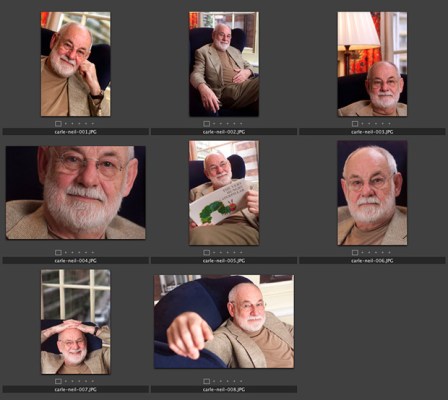
©Neil Turner/TSL. May 1999, London.

This set of eight pictures is all that remains from the shoot. Back in 1999 storage was still expensive and the company policy was to use Zip discs (remember them?). My laptop had a zip drive and I put the wider edit onto the “official” zip disc and kept the tight edit on another disc for my own records. The official disc with the Kodak RAW files was lost somewhere in the mists of time and we didn’t discover that it was gone until we started to upload the entire back catalogue into a managed and backed-up library a couple of years later. You learn from your mistakes.

I like the simple and innocent tight composition of frame 004 and I love the expression of frame 007. I have read his books to young members of the family ever since and I try really hard to do so with the same twinkle in my eye that the author had.

This was still the early days of digital and I was using a Kodak DCS520 (Canon D2000) with Canon 17-35, 28-70 and 70-200 f2.8 lenses. At 200 ISO, with good light and if you didn’t need to use the pictures too large the quality of the files was actually very good indeed.

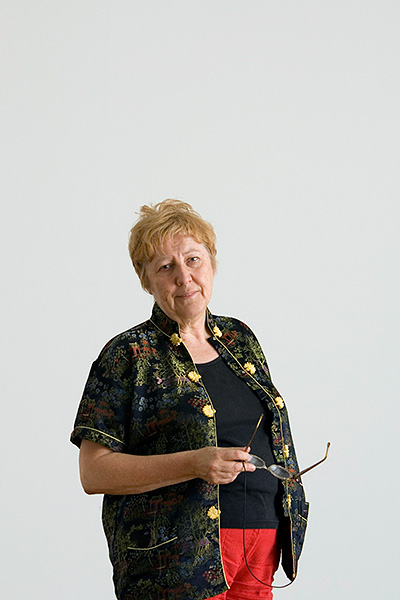
Archive photo: Private investigator. December1990

©Neil Turner/Insight. December 1990. London

Back at the end of 1990 I was sent to accompany a reporter to do an interview with a private investigator. He was an ex-Metropolitan Policeman who had a very good reputation and track record in finding runaway children. He was possibly the severest looking person I had ever met and his penchant for big fat cigars did wonders for his image. The truth is that he was actually a very caring man and both the reporter and I liked him a lot.

When I did a quick “Google” for the man I found that he had given another interview to the newspaper ten years later and that he was still as forthright as he had been. I would imagine that he has since retired but I still look very fondly at this picture and remember it’s place in one of my old portfolios.

This was shot using ambient light at his office in Southwark. I was probably using a Nikon FM2 with a 180mm f2.8 Nikkor which I had at the time and the film is Kodak Tri-X. This was scanned from a fibre-based print which was printed full frame with the rebate showing.

The early days of digital

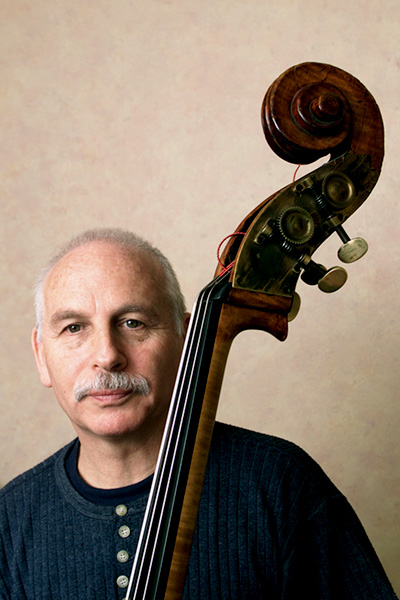
I took delivery of my first Kodak DCS520 digital camera in late November 1998. It was a revelation. I had used a previous model (DCS3) which was pretty poor and I wasn’t really that convinced about the whole process. After three days, I was a convert – the kind of convert who then sees it as their role to evangelise about their new-found wisdom/insight/faith. Based on the Canon EOS1n camera, the Kodak conversion replaced the whole of the back of the camera and quite a big chunk of the electronics too. It was expensive, relatively slow and it only had 1.9 megapixels. It had a tiny low resolution LCD screen on the back and it used enormous and expensive batteries that rarely lasted a whole day but I absolutely loved it from that first week!

©Neil Turner/TSL. 10th December 1998

This was one of the first proper portraits that I shot with my first DCS520 (known as the Canon D2000 in some countries) and it was of a double bassist and jazz teacher in his own home. My conversion was so dramatic and so complete that I even remember sulking a little when I had to shoot on film for the glossy sections of the newspaper. We worked with these early cameras for nearly four years until the Canon EOS1D came out. Nikon had introduced the D1 in that period and the see-saw battle for supremacy between the two big manufacturers with input from Kodak and Sony began in ernest.

I quite often get asked what the big trigger was for digital in the newspaper industry. There are a few factors;

  • The arrival of cameras capable of shooting quality images
  • The money saved by newspapers getting rid of darkroom staff
  • The arrival of new health and safety laws that meant waste chemicals became very expensive to dispose of
  • The speed of turnaround of digital pictures
  • The ease of archiving digital images

Talking with others who used the Kodak DCS series camera from that era we all agree about one thing – how good Kodak’s software was. What a shame that they threw away their lead in professional digital photography. If they had even kept their software development going, they could possibly have avoided needing to file for bankruptcy protection in the US courts last week. I look back at the early days of digital with a real fondness – they really were the most exciting of times. There’s something very cool and very rewarding about being in the second row of pioneers!