photography

Teamwork

Great news photography doesn’t just stem from a good photographer. There is are a whole number of people that come together in the planning, execution and reproduction of top class images and the real downside of being a freelancer is that I miss being part of a really great team.
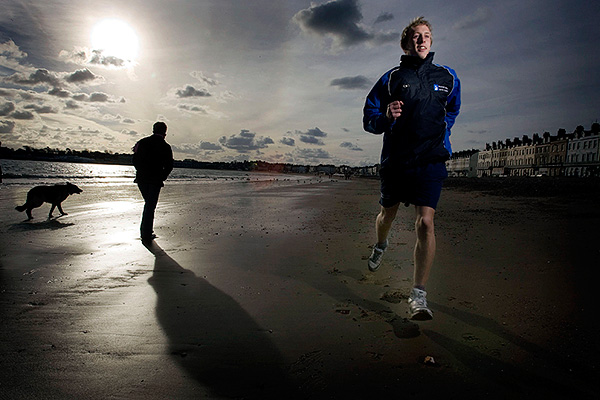
©Neil Turner/TSL | Weymouth, Dorset | December 2007

Being a photographer is usually part of a process. Images are commissioned, stories are bought and sold, edits are done and newspapers are printed. It’s a big and complicated jigsaw and being the person who operates the camera has to be the best part. There is no such thing as a run of the mill commission, but the process often goes like this;

  • The story is commissioned
  • The arrangements are made
  • The photographer is briefed
  • The photographs are taken
  • The edit is done
  • The pages are laid out
  • The newspaper/magazine is printed

There can be upwards of thirty people involved in the whole process and it’s important that the communication is good and that it goes in all directions. Some photographers aren’t as lucky as I am – this piece from the Sports Shooter site is a tongue in cheek rant against bad communications and poor commissioning. Unfortunately lot’s of photographers fail to live up to their obligations, indeed many don’t even recognise that they even have those obligations. It is up to us to talk to the picture editor, the journalist and ask the right questions. Getting the correct information from everyone else in the chain gives the photographer the best possible opportunity to shoot the right photographs and to tell the story in the best way possible. A failure to communicate ties the creative hands of the photographer and drastically reduces their chance of making a great set of pictures.

Sometimes the commissioning editor will forget an important detail, and at other times spelling mistakes and wrong addresses will get in the way of the pictures. Checking details, double checking spellings and discussing the story with the editorial staff will always prove to be time well spent:

  • It helps with the story under discussion
  • It improves your own relationship with the editorial team
  • It goes a little way to improving photographer editorial relations on a world scale!

Of course the picture desk need to do their bit in this vital piece of symbiosis because photographers really appreciate being given accurate information, input into the story and feedback after publication. Two way conversations work, and the industry needs more of them.

A rant against dull and predictable photography

Originally posted in November 2002, this was a classic rant against dull and predictable photography…

I’m afraid that I get quite excited by a good argument. The cut and thrust of intellectual discourse is both stimulating and fulfilling, but I have decided that there really is no point in arguing with a disciple!

Discussion forums are great places to spend five minutes, pick up a few tips and dispense some of one’s own “wisdom”. I visit a few photography forums from time to time, and I hope that advice that I have given has helped a few people get more from their photography. The thing that upsets me, however, is the prevalence of self appointed experts who follow the teachings of photographic gurus.

A couple of months ago I wrote about various bits of advice that I have been given in my time wielding a camera. I came to the unremarkable conclusion that the best bit of advice had been to ignore advice from somebody who claims that there is only one way to achieve something in photography. The world of High Street photography seems to be fertile territory for gurus and their disciples. One or two high profile photographers have established ways of doing family portraiture that have barely moved on since the 1980s. Whole industries have grown up manufacturing the cliche’d accessories that keep the cult of posing guide and lighting ratios going. No matter which High Street around the world you go to, there they are… the blotchy canvas backdrops and fake bookcases, posing cushions and fake rugs that are featured in the “How You Must Do Portraiture” videos.

As a production line and money making business model these methods of portraiture are singularly successful. Every home in the world seems to have some images produced by the “factory photographers”, but just like factory farming you get bland and often tasteless products churned out by people who either don’t care, have lost sight of why they did the job in the first place or just see it as a way to make money. Whilst this all saddens me a great deal, it is a good business model and you have to make a living and pay your bills somehow.

What really upsets me about this kind of work is that there is a massive number of people out there who are exposed to this kind of work and follow the gurus. They go out and buy the video because that’s what they believe portraiture is all about, they buy the blotchy canvases because they feature heavily in the videos and they finally get sucked into thinking that this is what photography is all about. I want to kick and shout and make people realise that you don’t have to have battery hens to get eggs. If you want battery eggs, go to the supermarket and buy them – but if you want something better, something tastier then you have got to start keeping your own chickens. Photography at all levels of ability allows you to produce what you want to. Creative and interesting portraiture is just around the corner as long as you don’t get suckered into believing that there is anything remotely original about canvas backdrops and set lighting ratios.

I was working in a school the other day and a parent had come to collect their child’s “portrait” taken at school. She picked it up and went to leave when the receptionist called after her to say that she had picked up the wrong child. The parent replied “…does it matter, all the kids look the b****y same in these snaps anyway!” I wanted to applaud her, she was so right. The “individually created” portrait is no better unless the photographer is going to create a new canvas back cloth for each client and then dispose of them straight afterwards.

I hope that the people pedaling the lie that this kind of work is somehow “classic portraiture” all over the internet will throw off their robes and admit that there just might be another way of achieving wonderful and desirable images.

My call goes out – Amateur photographers, wannabes and bored professionals everywhere… rise up, burn those backdrops, dump those videos and escape the cult now. There is a world of interesting, unique and occasionally truly original work to be done out there. Before you know where you are, that chant (ommmm-mainlight,fill light,hair light,backlight-ommmm) will just be a distant and mildly embarrassing memory.

©Neil “don’t copy me, just learn from my mistakes” Turner.