Author: dg28

I've been a full-time editorial & corporate photographer since 1986 and I'm still as passionate about the work now as I was then. These days I also write about photography, teach photography and act as a consultant on all things photographic - so, basically, photography is my professional life.

Post production is all about the details

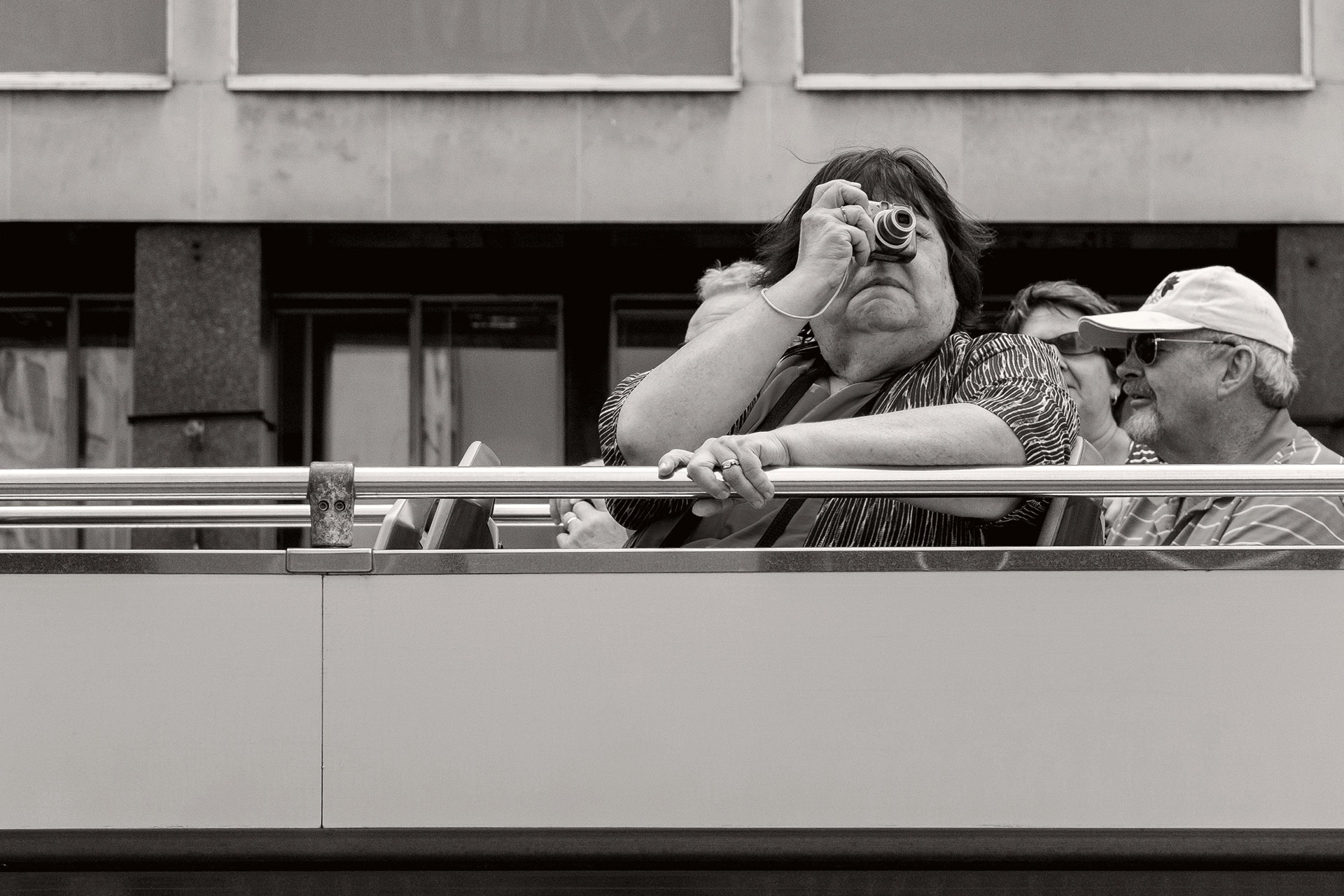
Passenger on the top deck of a tourist bus passing through Waterloo. © Neil Turner

Passenger on the top deck of a tourist bus passing through Waterloo.
© Neil Turner

I’ve read a lot about the ‘instagramisation’ of photography. I think that means taking slightly dull images, applying filters and presets to them and presenting them as bits of creativity. At the right time and in the right place those kinds of pictures have value and can make significant additions to creative campaigns and can go a long way towards making some elements of social media and social marketing more visually interesting. I’m not talking about that here – this blog post is all about choosing between making decisions about individual pictures or letting technology take over and ‘improve’ your work for you.

If you are on Facebook or any other social media that has targeted advertising you will probably get as many ‘suggestions’ as I do for people selling magical presets or add-ons to make my pictures instantly better. That’s great – or at least it would be if I wanted all of my images to exhibit a sameness with each other and with those of so many others. Trying to reduce professional post-production down to a series of mouse-clicks using algorithms and actions developed for others isn’t, in my opinion, a very good idea. (more…)

The story behind a picture #3

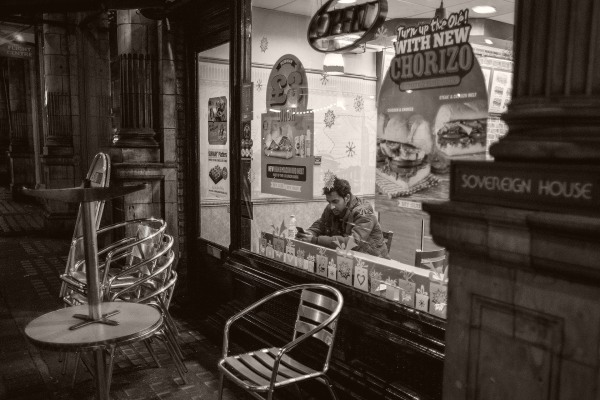
Sitting in the window seat at Subway on Shaftesbury Avenue Photo: Neil Turner Photo: Neil Turner

Sitting in the window seat at Subway on Shaftesbury Avenue
© Neil Turner, November 2014.

This photograph falls into the ‘personal work’ category. I had been to a meeting in central London during the evening and had arrived fashionably on-time having failed to park in my favourite evening parking space near the location of the meeting. That had forced me to park a bit further away. As a result my walk back to my car at around 10.30pm was both longer and much more interesting than usual.

I nearly always have a camera with me and it is nearly always either my Fujifilm X100S or it’s little brother the X20 but on this evening I had a Canon EOS6D with a couple of fast prime lenses and so I shot some photographs of things that interested me as I walked. This shop window – a branch of Subway that stays open until the early hours was the very first thing that caught my eye and I was very interested to see just how good the EOS6D is at higher ISOs. This was shot at 3200 ISO with a shutter speed of 1/250th of a second at f1.8 using a Canon EF 28mm f1.8 lens. For a DSLR this is about as unobtrusive as you can get – the quiet shutter mode is really good and the speed and accuracy of the auto focus on the centre focusing point means that you can ‘snatch’ a frame in really low light with quite a high degree of certainty.

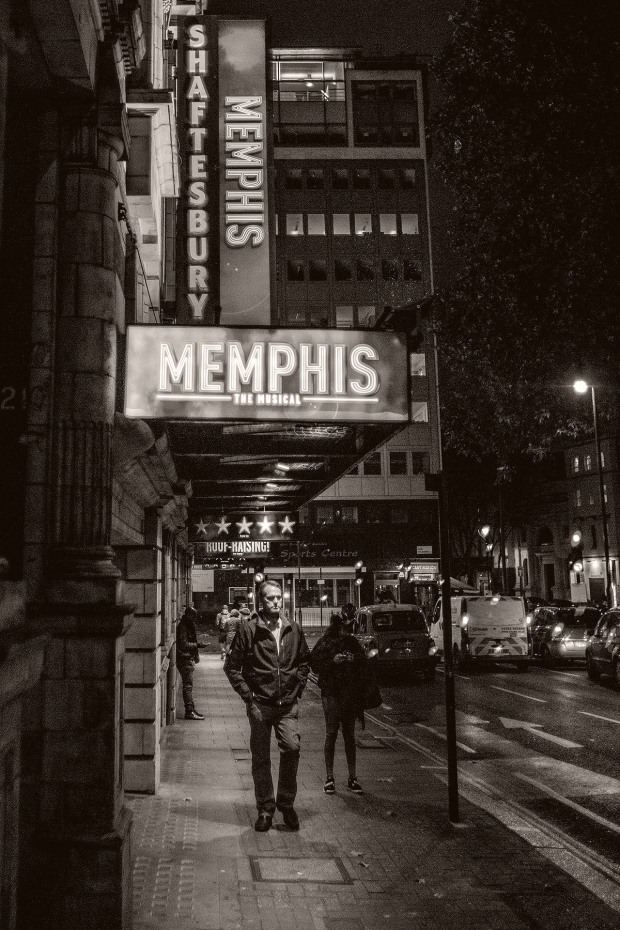
Just around the corner I saw the potential for another nice image with the frontage of a theatre after the last member of the public had left the building. I composed, waited and finally got this frame as a solo pedestrian passed through the frame.

Pedestrian passes under the "Memphis" banner outside a west end theatre at night. © Neil Turner November 2014.

Pedestrian passes under the “Memphis” banner outside a west end theatre at night. © Neil Turner November 2014.

This photograph was also shot at 3200 ISO but was better lit at 1/640th of a second at f1.8. I was actually quite disappointed when I got back to my car and realised that I had a two and a half hour drive home. I knew that I had half a dozen good photographs and I sat in the car and transferred a couple of them to my phone using the camera’s built-in wifi before uploading them to EyeEm and Twitter. Then I drove home…

Back on Flickr

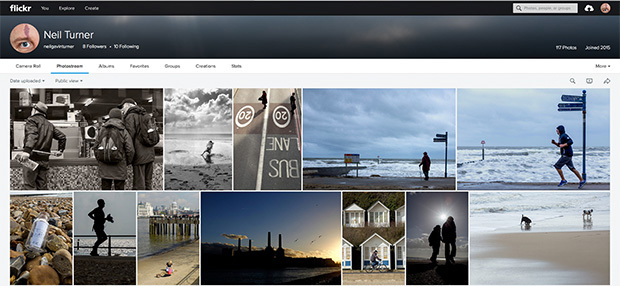
Screen grab of my new Flickr account

An important client recently asked me to do some preparation work ahead of a project with which I am involved. One part of that preparation was to find out all I could about sharing some of their content on Flickr. I decided that the best way to learn about it was to do it and so I established a brand new personal Flickr account and started to post some of my personal work.

Now, when I get five minutes to spare, I’m uploading new pictures, joining groups and generally playing around with the various options that the site has to offer and I’m getting close to the point where I can go back to the client and tell them what I know and get ready to set up their account ahead of the project.

Those of you that are using Flickr; what do you think? Have you got any hints or tips for me? I have the iPhone and iPad already set up to upload images and I have a new IPTC template for photographs so that the correct information gets placed into the right fields for the Flickr system. Please come and have a look at my pictures on the site, exchange “follows” with me and let me know what I need to do next.

You can find me at neilgavinturner .

The story behind a picture #2

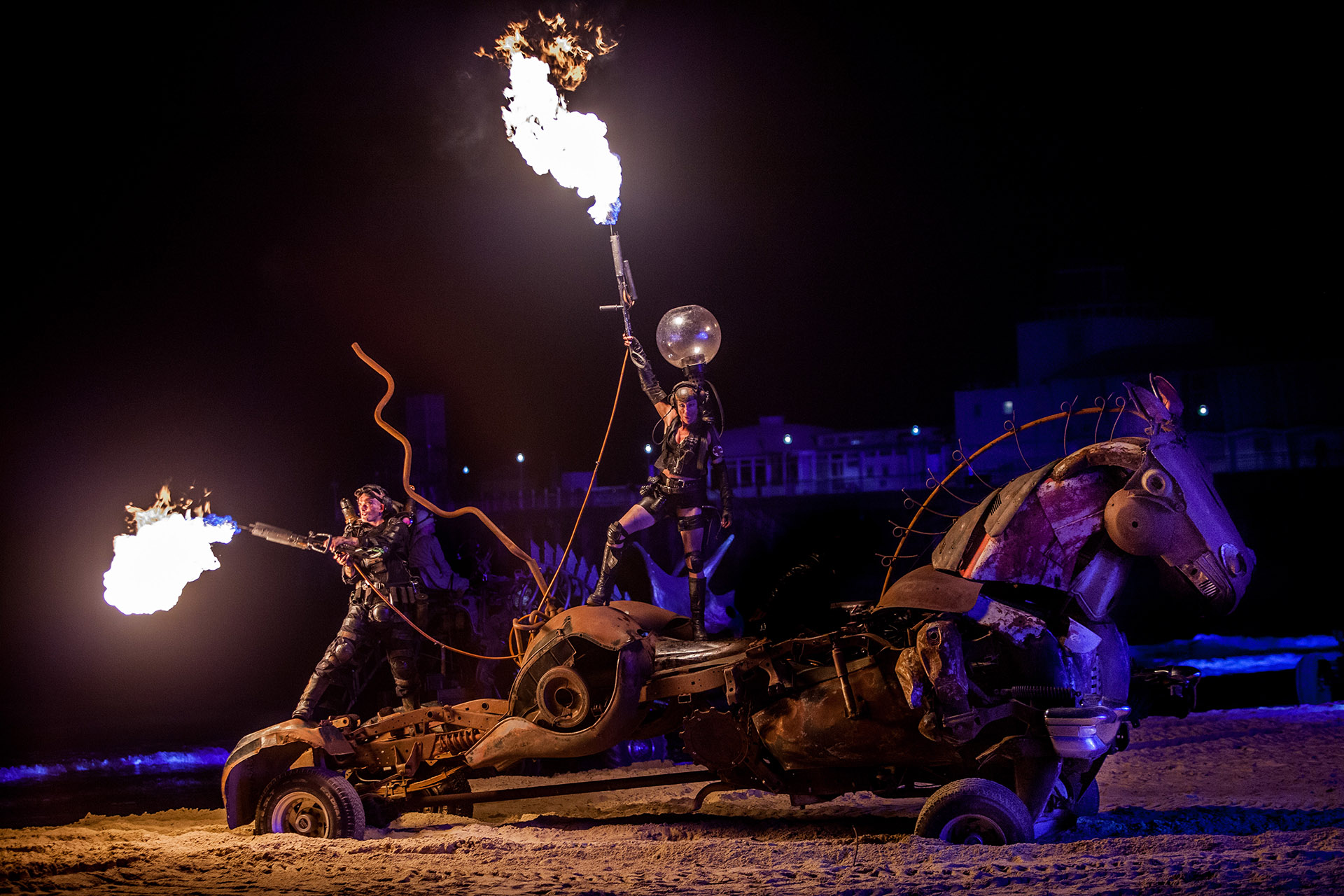
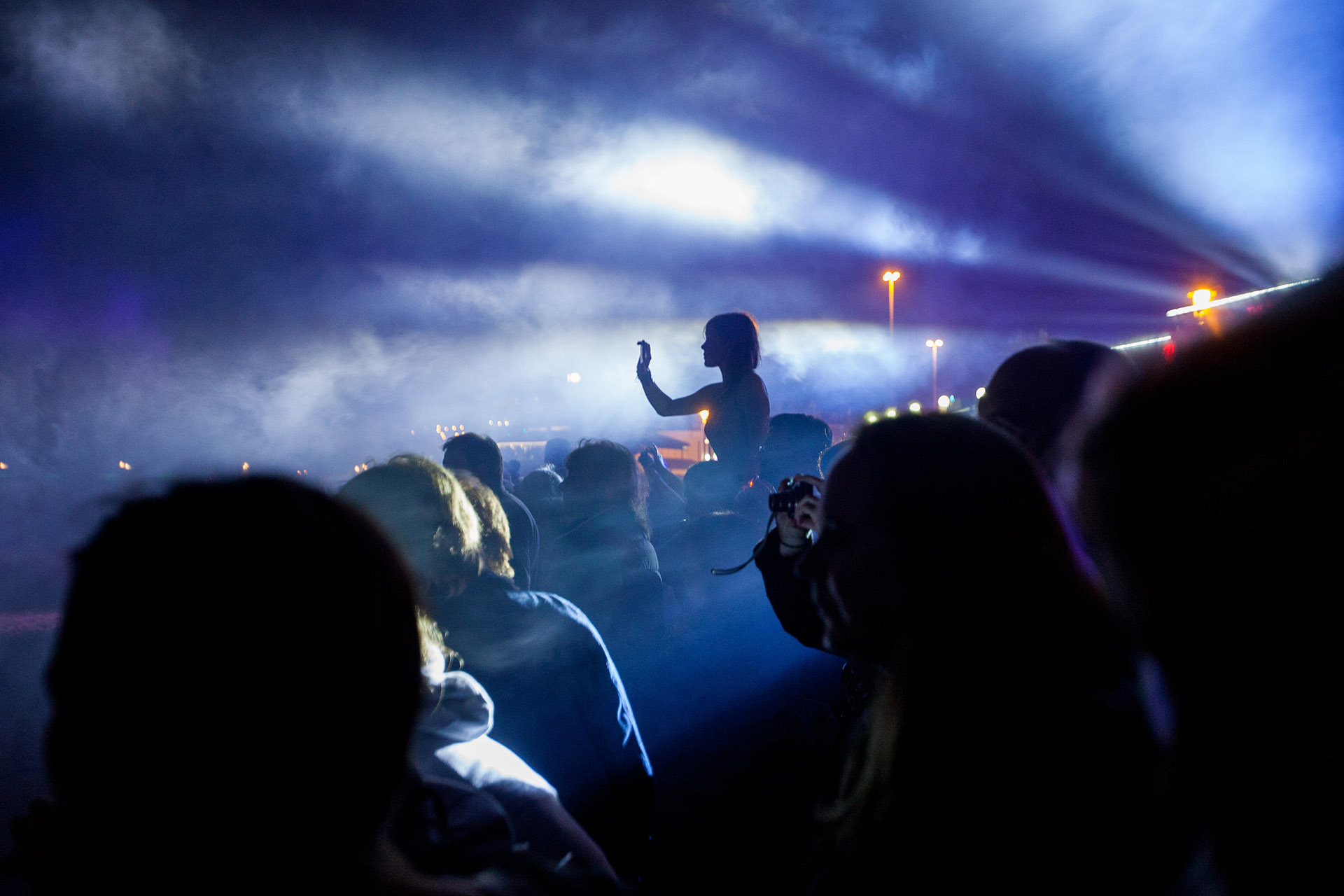
© Neil Turner. Joe Rush and the Mutoid Waste Company stage a spectacular demonstration of their vehicles on the beach next to Bournemouth Pier.

© Neil Turner. Joe Rush and the Mutoid Waste Company stage a spectacular demonstration of their vehicles on the beach next to Bournemouth Pier.

Back in 2013 the Bournemouth Arts By The Sea Festival was getting bigger and better and I was asked to come along and shoot some of the events. The climax of day two was to be a spectacular show on the beach next to Bournemouth Pier by Joe Rush and The Mutoid Waste Company who build and drive fantastic vehicles made from scrap. The organisers had penned off a large area of beach, put up a large public address system and once night had fallen the vehicles and their crews came onto the beach.

I had been there earlier in the festival when some of the vehicles had driven through the town and so I knew roughly what to expect. I got there reasonably early and staked out what I thought would be a good position with the sea and the pier in the background. I had two cameras with me – one with a 70-200 f2.8 and the other with a 24-70 f2.8 zoom lens. I had a couple of Canon speed lights and a high-voltage battery pack, plenty of memory cards and then waited for darkness and the start of the show.

Half a dozen vehicles sped onto the sand and I started shooting away without flash. It was pretty dark, despite the arc lights that had been positioned at various points around the perimeter. These vehicles weigh several tons and one or two of them got caught in the soft sand but that made for great pictures because the people who ‘crew’ them are artists and showmen and they gave the most amazing static display whilst waiting to be hauled free.

© Neil Turner. Audiences watching Joe Rush and the Mutoid Waste Company  on the beach next to Bournemouth Pier to close day two of the third annual festival.  Photo: © Neil Turner

© Neil Turner. Audiences watching Joe Rush and the Mutoid Waste Company on the beach next to Bournemouth Pier to close day two of the third annual festival.

The edit of the pictures was done in rapid time and sent to the client ready for the next day’s papers and any number of websites and social media platforms and accounts.

The 2015 festival takes place in October and I’m looking forward to seeing some of it up close.

Technical stuff: Canon EOS5D MkII cameras with Canon EF 70-200 f2.8L IS and 24-70 f2.8L lenses. Top picture 1/100th of a second at f2.8 on 2000 ISO with white balance corrected in Adobe Camera RAW. Bottom picture 1/25th of a second at f3.2 on 2000 ISO.

The story behind a picture #1

Young England cross-country runners posing for a photograph in Winchester. © Neil Turner/TSL

Young England cross-country runners posing for a photograph in Winchester. © Neil Turner/TSL

Even after nearly thirty years shooting photographs I can almost always remember something about ‘being there’ on the job when I look back at the pictures. There’s also a story to be told about why a particular picture was shot, lit or composed in a certain way.

A while ago I was posting a “photography word of the day” on Twitter and one of the first was compromise. This photograph of two rising stars of cross country running is a classic example of compromising to get a decent shot.

When I arrived at the college where they were both studying neither of them had their kit with them to do an action shot. Luckily their England team tracksuits had arrived and so I had to manufacture an action portrait of them that left one important part out of the frame – their feet. Neither of them had suitable footwear to be photographed in action and so I had to find a way to shoot them without drawing attention to their lack of running shoes.

In front of the college was a large banked area of grass and playing fields. I realised quite quickly that I could get the best of the light (dusk was fast approaching), lose most of the buildings and hide their feet by getting down low and using one of the banked grass areas to fill the foreground as they ran towards the low angled sun whilst shooting on a long (ish) lens.

So that’s what I did. The two runners were amused by the lengths to which I was determined to go to get a decent shot. They had been photographed two days before but just wearing their street clothes and standing by the college sign and they had assumed that I’d do the same. They did about ten lots of the ten yard run that had them in the right place and I shot some of them horizontally and the others vertically to cover the possible shapes that the newspaper might use. I also shot it using a range of aperture and shutter speed combinations to get the depth of field right.

I did some static upper-body photographs as well as having them pose with their trophies (feet hidden) on the grass.

Technical stuff: Canon EOS1D MkII with a 70-200 f2.8L IS lens. ISO 320, 1/1000th of a second at f6.7

Another anniversary

© Neil Turner 11/09/2008 The Petchey Academy in Hackney, London, E8 opened to pupils in September 2007.

© Neil Turner 11/09/2008. The Petchey Academy in Hackney, London.

The eleventh of September will always be remembered for the tragic events in New York in 2001 but it also has another, altogether more positive, place in my calendar. Today is the seventh anniversary of my first commissioned job as a freelance photographer having spent fourteen and a half years in a staff job. In those fourteen and a half years I had shot assignments in thousands of schools and it was somewhat ironic that my first freelance outing came from a Picture Editor with whom I had previously worked and was back in a London school. So much was exactly the same – only the end user of the pictures was different. It wasn’t even an educational publication, it was a specialist magazine for facilities managers.

It should have felt like the kind of job that I’d been doing for so many years. I was using the same cameras that I had been using for four years and the same lights that I’d had for at least eight years. I even arrived in the same car that I’d been driving for the previous couple of years but I was nervous in a way that I hadn’t been for a very long time. It didn’t help that I had been on ‘gardening leave’ for a month by then and so I had actually just gone through the longest period without shooting a job since I had left college twenty-two years previously.

The brief was to get pictures of the school, it’s facilities manager and his team. I like to think that I always go beyond the brief where I can and on this job that involved lugging my lighting kit onto the school roof to shoot a portrait as well as waiting for ages for people to walk through my carefully set up building shots.

© Neil Turner 11/09/2008 The Petchey Academy Facilities Manager Alan Gilbert MBIFM.

© Neil Turner 11/09/2008. The Petchey Academy Facilities Manager Alan Gilbert MBIFM.

Everything went well and I shot some nice pictures. The magazine used them very well as a cover and across five pages inside and, best of all, the publisher started to give me a sizeable amount of work over the next couple of years. Most importantly – I was off and running.

I find it remarkable that all of that was seven years ago. A lot of water has passed under a lot of bridges in the meantime and I have experienced those same nerves on more than a few occasions as I try new things, work for new people and take very different sorts of pictures.

Thank you to those friends and colleagues who helped kick-start my second freelance career. I’m still here and I’m still loving taking pictures.
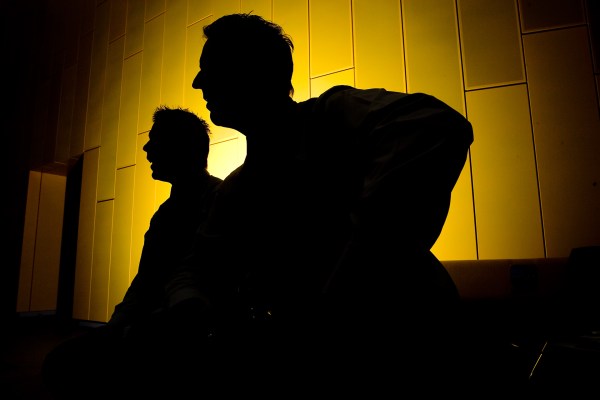
© Neil Turner 11/09/2008. Facilities Manager Alan Gilbert MBIFM whose deputy is his brother Les Gilbert.

© Neil Turner 11/09/2008. Facilities Manager Alan Gilbert MBIFM whose deputy is his brother Les Gilbert.

Technical stuff: Canon EOS1D MkII cameras with Canon EF 16-35 f2.8L, 24-70 f2.8L and 70-200 f2.8L lenses. Lighting Lumedyne Signature Series 200 w/s pack and head.
Portfolio updates

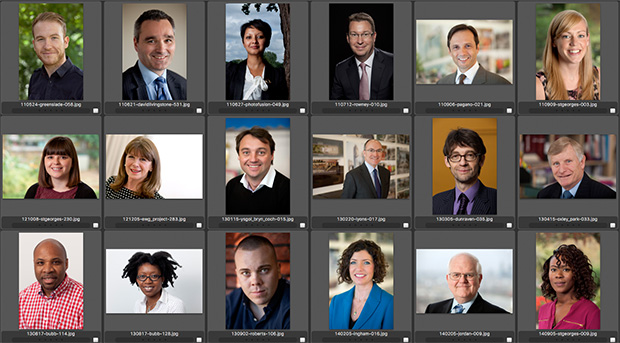
Like many photographers I invest a lot of time and energy into my portfolio. I have had a Pixelrights folio since they launched their service earlier this year and every time they add more functionality I tinker with both the design and the content. Right now the service is looking great and the content management system is working well. One of these days I’m going to relegate my other folio platforms and throw everything at this service but until then please come along and have a look at the galleries for portraits, features and my personal work.

MY PIXELRIGHTS HOME PAGE

Getting pictures away quickly

Getting photographs to the client has always been one of the less glamorous aspects of being a professional photographer. From sticking a pile of prints into an envelope and handing them to a courier to scanning negatives before using clunky slow modems to deliver them right up until today’s relatively painless methods nobody in their right mind would list this part of the process as either satisfying or easy.

The arrival of social media and the realisation amongst better clients that using our work rather than their own smartphone snaps has meant that we have had to speed things up a lot. I’ve always liked Eye-Fi cards but more recently I have been working with clients and with projects where something even more reliable and configurable is required. The worst part of it is that there isn’t actually one simple solution or workflow that will satisfy all of them in all circumstances. For a lot of jobs transferring the pictures from the camera to a smartphone or tablet before captioning and shifting them to the client is quick enough and I’ve written about that workflow before. New software appears all of the time and I am always looking at ways to make things smarter and quicker by introducing some automation and cutting steps out.

Live Ingest window from Photo Mechanic 5.

Live Ingest window from Photo Mechanic 5.

(more…)