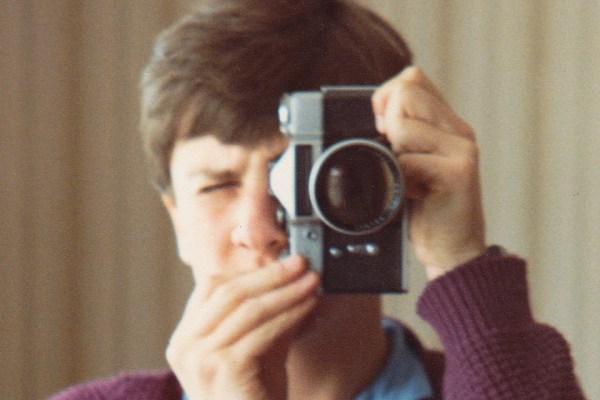
A colleague of mine, Edmond Terakopian, put a post on a Facebook groups a few days ago talking about the Nikon FM2 cameras that he has owned for many years. From there lots of people agreed with what he had written and a few others moved the conversation on to some of the kit that they’ve owned through their careers.
Most of the comments were about how good and how reliable the earlier kit was and how bodies and lenses from the 70s, 80s and into the 90s are still working and still able to run out quality pictures. Lots of nostalgia for the way things used to be!
Personally speaking I wouldn’t want to go back the shooting and processing film – even if that meant you could get a complete professional kit (two FM2s, two motor drives, 24mm, 35mm, 85mm and 180mm lenses and two flashes) for under £2,500. I was never as big a fan of the FM2 as so many of my colleagues were. The much more expensive and robust F3P/MD4 combination was my favourite of all of the manual focus film cameras but the arrival of the EOS1N made me realise that auto-focus was the way to go.
(more…)


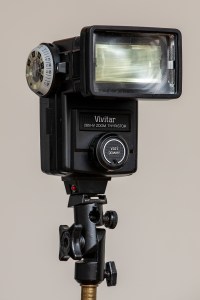 Equipment and my equipment choices tend to evolve pretty slowly. Way back in the 1980s I was using a lot of off-camera flash on location and that meant either owning and running a lot of extension cables with my Elinchrom mains powered units, buying (or renting) a Norman system or using some basic flashguns (the term speed light hadn’t really entered common usage by then, other than as part of a Nikon model name) to do the job. I came across the Lumedyne range (old school) in the mid 1990s, although they had been around for a while by then. Before that I spent many happy years with my cobbled-together battery powered flash kit which was based around the already long-in-the-tooth Vivitar 285 system. I call it a system because there was a ton of accessories that you could get for it and it had some common connections that meant you could pair it up with almost anything you wanted to.