canon

Choosing between full frame Canons…

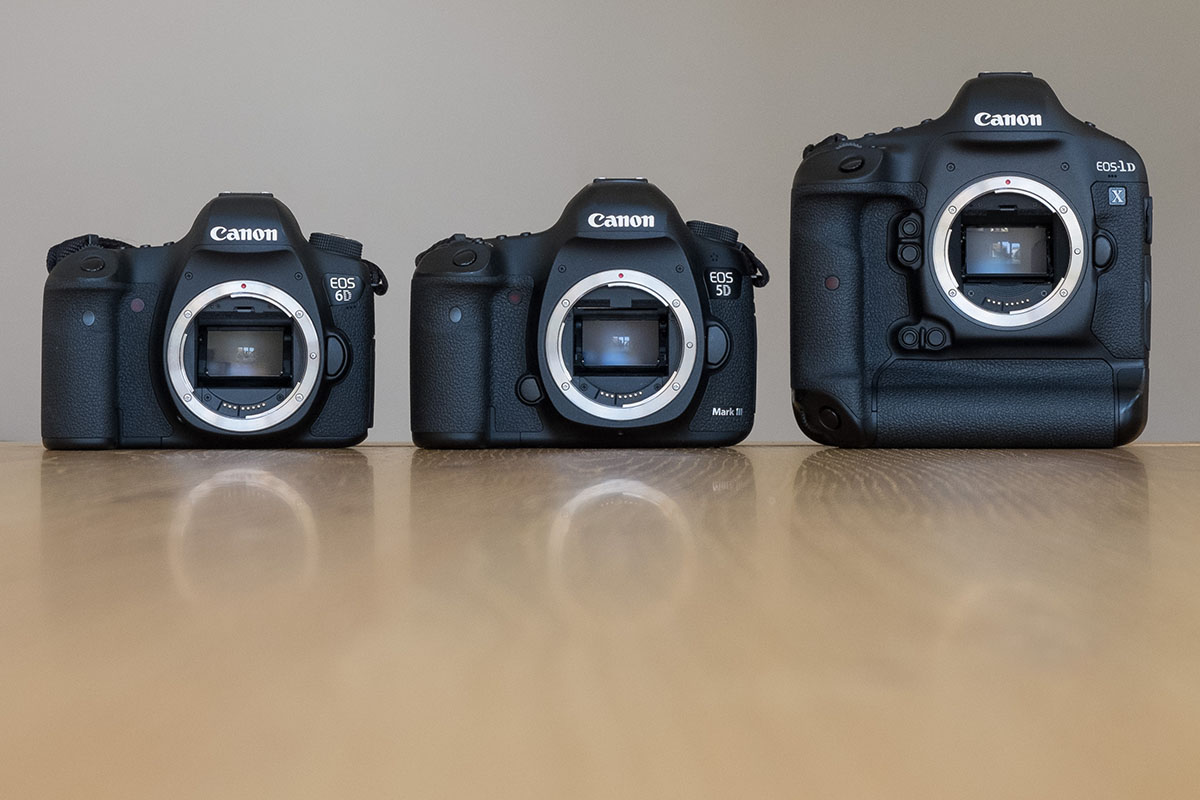
The Canon EOS6D, EOS5D MkIII and the EOS1DX

The Canon EOS6D, EOS5D MkIII and the EOS1DX

A couple of years ago I wrote about how, as a working photographer, I make purchasing decisions. The formula is simple: assess the actual need against the purchase price and proceed accordingly. On that basis I own Canon full-frame digital SLRs (the cost of switching to another brand would be too high – even if I wanted to) and about ten Canon lenses. My last crop-frame DSLR was the EOS7D which was lovely to use but utterly useless to me above about 640 ISO and I shoot at 1000 to 2000 quite a bit these days. I’m always interested in new kit but rarely do I buy something just because I want it.

The chances are that all three of the cameras in the picture are nearing the end of their model lives. The rumours of an EOS5D MkIV and even an EOS1DX MkII (or whatever they choose to call it) are already swirling around the web and it cannot be long before the EOS6D gets an update either. That doesn’t make them bad cameras – far from it, they are all exceptional bits of kit.

I was asked the other day by a talented amateur photographer that I happened to be shooting a portrait of whether it was worth his while “going full-frame”. There’s never a right or wrong answer to questions like that: (more…)

Another photo worthy of an obituary

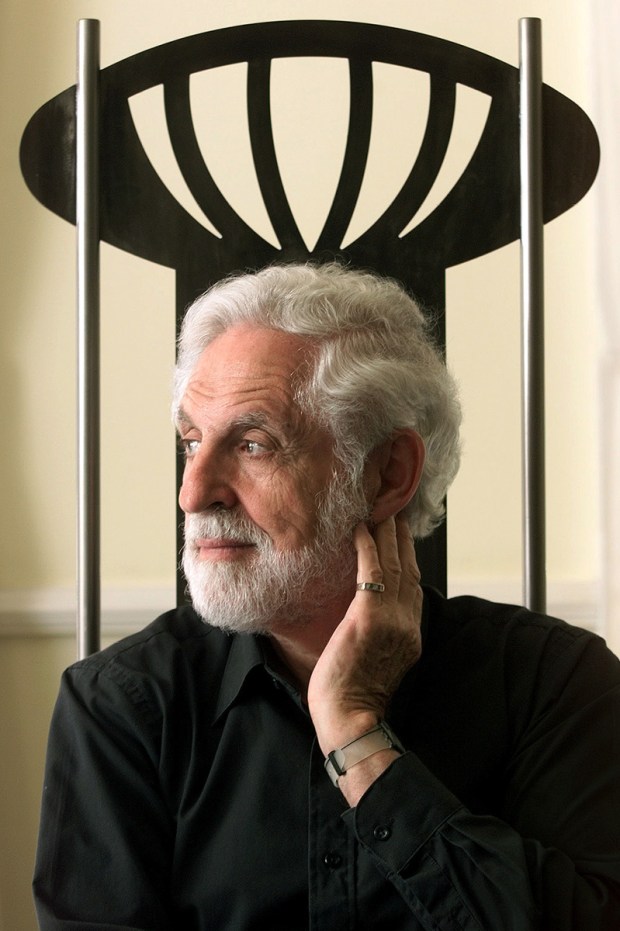
©Neil Turner/TSL. Carl Djerassi, June 1999, London.

©Neil Turner/TSL. Carl Djerassi, June 1999, London.

Carl Djerassi, the chemist widely considered the father of the birth control pill, has died aged 91. I photographed him back in 1999 sitting in what I thought was a very ‘egg-shaped’ chair in his London apartment. If you want to know more about him, The Guardian’s obituary is worth reading but my very clear memory of being there was that he was one of the calmest people that I had ever met. He was confident without being arrogant and his understanding of my job and the job of the reporter who went with me was absolute. He had, obviously, been interviewed and photographed hundreds of times before but I still believe it to be true that most people who have had that kind of media exposure still don’t ‘get it’ in the same way that he did.

It seems that almost every week now I see an obituary in the press of someone that I photographed earlier in my career and it has two distinct effects on me. The first is quite predictable – I feel that bit older each time it happens. The second effect is to make me realise how amazingly lucky I have been in meeting the people that I have met and having been able to make what I hope are portrait and feature images that will stand the test of time.

This particular photograph lived in my folio for many years. It was unusual for me to have shot quite such a reflective portrait at that time. I was busy trying to make a reputation for myself as ‘the guy’ who used strong lighting and strong compositions to compliment that lighting. Like most phases of a career, it passed. I can still shoot the strong pictures when the situation calls for it but this portrait is far closer to my current favoured style than almost anything that I shot in those early days of digital. When I look back at the more memorable images that I shot through the late 1990s – the period of transition from scanned negative film to 1.9 megapixel digital cameras – a lot of them have this kind of feel and that surprises me because my memory is of lighting everything in slightly over-the-top ways.

Technical stuff: Kodak DCS520 camera with a Canon 28-70 f2.8L lens. Ambient light, 1/160th of a second at f4 on 400 ISO.

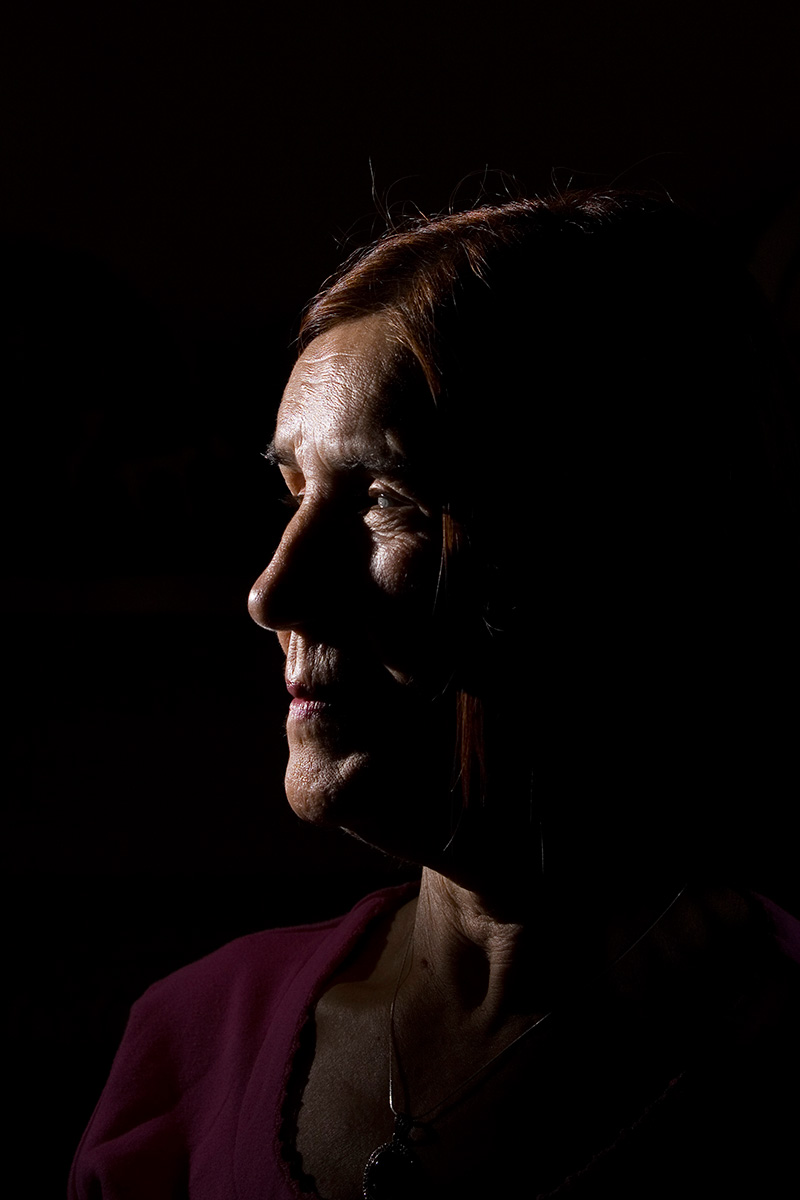
Hard light portrait

©Neil Turner/TSL, September 2007.

©Neil Turner/TSL, September 2007.

Not long after I took redundancy from my staff job at The Times Educational Supplement I spent several days putting together a collection of possible portfolio pictures. I was a long task as I’d been there for over fourteen years and when I eventually published my folio on line I had cut a couple of hundred photographs down to thirty. Whilst I was looking for something else today I came across that folder of 223 pictures and had a good root through.

Like most adventures down memory lane it reminded me of things that I’d forgotten and the story behind this picture immediately jumped into my mind. The lady in the portrait is a blind sculptor originally from Iran who was by this time married to a British teacher and living in south-west London. I have posted a portrait of her on this blog before when I discussed two surprisingly similar portraits that I’d made. This frame from the set has some of the harshest lighting that I’d ever used and it jumped out at me when I was looking today because I rarely use that kind of light any more. I guess that’s partly due to the nature of the clients I work for now – PR and corporates who don’t want anything as edgy as this was – and partly because my first instinct isn’t always to get the lights out any more. Even when I do light portraits I don’t mess around with the light as much as I once did. This goes with my Twitter #PWOTD which is TESTING

Techie stuff: Canon EOS1D MkII with a 70-200 f2.8 L IS lens at 70mm. 200 ISO 1/250th of a second at f8. Lumedyne flash.

What’s your favourite lens?

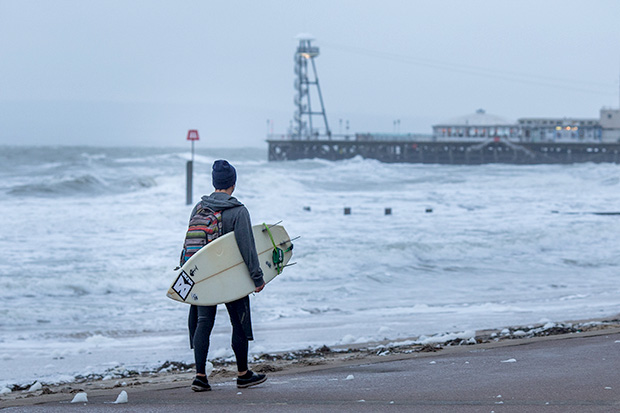
©Neil Turner, November 2014. Surfer heads towards Bournemouth Pier as the waves get bigger during a storm.

©Neil Turner, November 2014. Surfer heads towards Bournemouth Pier as the waves get bigger during a storm.

It’s been a while since I’ve directly answered a question from a reader on this blog. I haven’t been ignoring people – it’s just that the questions best suited to an answer on here haven’t been coming my way. A fellow news photographer causing mischief asked this one last week:

“What’s your favourite lens?”

It’s tough to answer because one of the things I love doing in my work is to use as wide a variety of focal lengths as possible and to use the right lens for the situation (if I own it and/or have it with me of course). I’ve written before about the best lens for portraits and I’ve written about zooms versus primes quite recently and so I thought that I’d give a couple of different answers to the question.

Most used lens

There is one lens that I use more than any other, one that I’d find it hardest to live and work without and which has given amazing service over many years. That lens is my Canon 70-200 f2.8L IS. (more…)

Pools of light technique from 2008.

Every time I post one of my old technique examples I get a massive spike in the visitor figures for this blog. Despite some of them being fifteen or more years old they still seem to attract quite a bit of attention. This one is being re-posted after a specific request from a reader and I’ve added a second photograph at the bottom for a little ‘added value’.

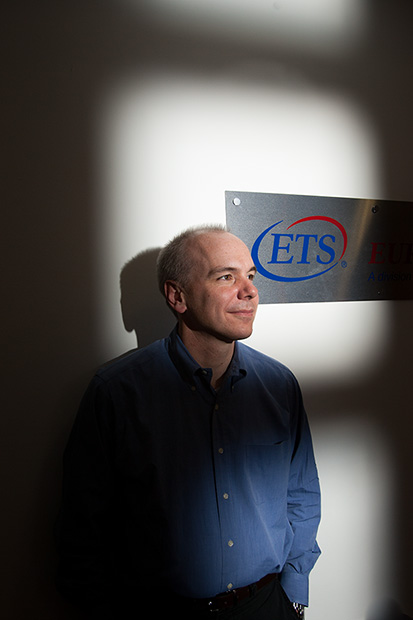
©Neil Turner/TSL, May 2008

©Neil Turner/TSL, May 2008. 1/180th of a second at f4, 200 ISO

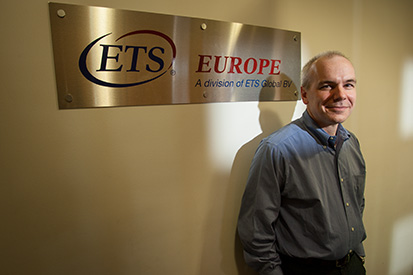
I was inspired to share the “how” for this picture because of a comment from a colleague who said that I had been “lucky to find such a nice pool of light”. I was amused, annoyed and complimented all at the the same time because I created this light and he obviously thought that it looked as if it was a natural effect. Much of the best lighting looks as if it were not lit… so how was this one achieved?

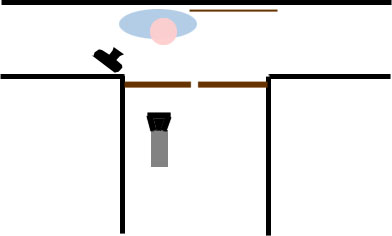
I had been asked by the picture editor to get a good range of portraits of this man who is the Vice President of a company that handles examination papers. The logo was needed in some frames and this plate screwed to a wall in a corridor was the only one on offer. The layout was like this..

Single flash the other side of the door

Single flash the other side of the door

The brown lines that you can see on the layout are fire doors – big heavy wooden doors with three small square glass panels in each one. The Lumedyne flash unit with a Pocket Wizard receiver on was placed outside the door and the door was closed. The subject was lit entirely by the hard, un-modified flash coming through those three glass panels. Lining up exactly where the light will fall is very easy – if the subject can see the flash head, then it can see them. After that it is just a question of shooting a couple of frames and judging on the camera’s LCD screen where the light is falling and then raising, lowering or moving the flash accordingly.

In this case the flash is about ten degrees above the subject’s eye line and he is looking almost directly at it. This allowed me to get the nice hard shadow behind his head and still have a reasnably flattering light on his face. I also tried to do a few rames where the ambient light in the corridor (see below ) was making the shadows softer but I much preffered the hard treatment.

©Neil Turner/TSL, May 2008

©Neil Turner/TSL, May 2008. 1/10th of a second at f4, 200 ISO.

Technical Stuff: Canon EOS1D MkII with a Canon EF16-35 f2.8L lens.

Another ‘classic’ technique posting from the old site

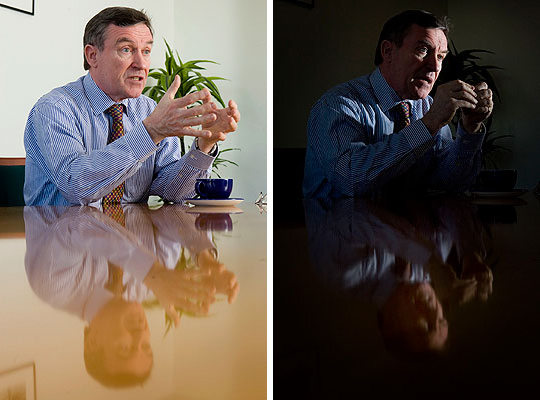
The idea here is to have two separate lighting set-ups for one interview portrait without having to constantly move around the room adjusting lights. This interview was with a senior businessman who chairs a body that decides how much teachers’ pay rises will be each year. The reporter wasn’t all that comfortable with me shooting through the interview but it was what the picture editor wanted, so that’s what I did. This job required a bit of quick thinking so that I could get two different set-ups in place.

©Neil Turner/TSL, April 2008.

©Neil Turner/TSL, April 2008.

The picture on the left was lit using a single Lumedyne head at 50 joules bounced off of a wall almost in front of the subject. The image on the right was lit by a single Canon 550ex flash gun with a Honl Photo snoot attached aimed directly at the subjects face and set further away from the camera.

Both flash units were fitted with Pocket Wizard receivers set on different channels from each other. The idea here is that by simply switching between channels on the transmitters I could switch between two very different lighting styles without moving.

The left hand image is far more evenly lit. The large expanse of off-white wall made a very good and large light source. The exposure here was 1/60th of a second at f5.6 on ISO200. There was some available light play – without flash the scene would have been two stops under exposed with that amount of flash. You can see from the diagram below how the room was laid out and the flash head was positioned at about 10 degrees above the subjects eyeline.

The right hand image is far more starkly lit. The exposure was 1/250th of a second at f13 on ISO 200. There is almost no available light in this picture and the lighting effect is dramatically different. The very narrow angle of the light offered by the Honl snoot makes it difficult to always get the subject right in the centre of the small pool of light and so you need to be careful when aiming it to centre it on where the subject is most likely to be.

The layout of small conference room where the interview took place.

The layout of small conference room where the interview took place.

The point of this technique is that you can arrange more than one style of lighting and then switch between them at will simply by selecting a different channel on the trigger. I find that I use the Honl snoot a lot more than I had imagined that I would. It fits into a bag very easily and it is simple to use. When you are in complete control of the lighting, it’s very easy to achieve dramatic results. This style of light might not be to every picture editor’s taste and so the evenly lit alternative is a very good idea.

Mint in box

©Neil Turner, November 2014

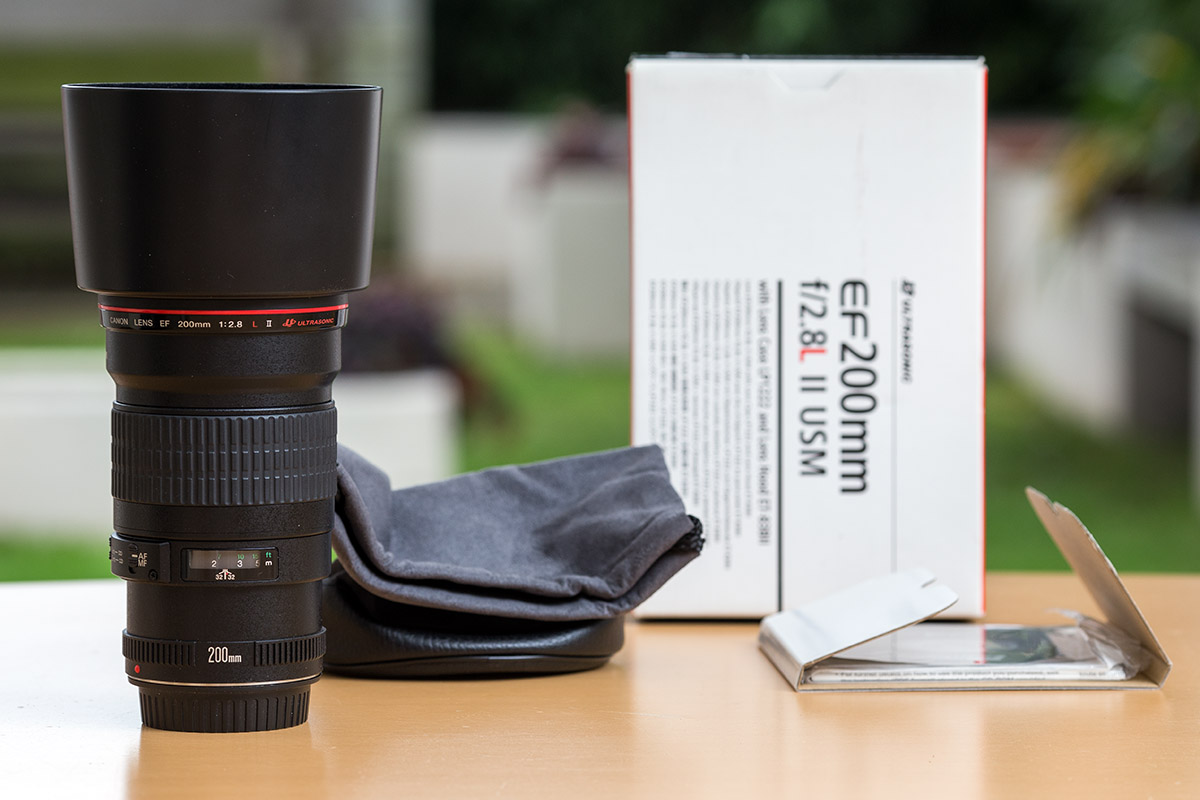
©Neil Turner, November 2014. Canon EF 200mm f2.8L II USM lens.

There are lots of things about the world that I don’t understand. Some of them I ignore, some I oppose and there are others that I just go along with.

One of those that sits squarely in the latter category is the obsession with keeping the boxes for items of photographic and computer equipment that you are intending to use. I go along with it because people are actually prepared to pay more for a used item if you have the original packaging. Basically, it appears, you are prepared to pay me a premium for a secondhand piece of kit if I keep cardboard, plastic and polystyrene in my loft so that you can do the same during your ownership of that item.

It makes sense for collectables where the market loves “mint in box”. We have a few Star Wars items safely tucked away still sealed in their original packaging and I have a couple of Corgi model cars in their boxes too (the box for one on my desk is actually more attractive than the die cast metal contents anyway). But the logic of hoarding packaging for something that is in use is beyond me. Again, I get the concept of saving the instructions and any accessories (I have a massive box full of both of those) but not the packaging. It’s no big deal which is why I am now going with option 3 and just accepting that it is just the way it is. No sense fighting against it and ignoring it isn’t much of a principled stand!

I wasn’t always of that opinion. Somewhere there’s probably a whole load of boxes being safely squirrelled away that look exactly like the original boxes for the items they were bought with but they are just substitutes. When I bought my first two Canon EOS5D MkII bodies a dealer bought the boxes and instructions from me. I thought it a bit weird at the time but £20.00 is £20.00 and I sold them. He presumably “re-united” those boxes with cameras that were missing theirs and sold them on to some unsuspecting soul who thought they were getting the original packaging.

I’m not even sure why this is taking up an hour of my time thinking about why I find it so absurd – other than the fact that I am getting rid of some superfluous gear and one of the lenses really is “mint in box”.

“What gear is that?” I hear you ask – it is a Canon EF200mm f2.8L II USM prime lens that I bought a few months ago when I was going through a phase of using prime lenses for as much as I could while my 70-200 f2.8L IS (ditched the box for that one in 2003) was away having major surgery. The repairs cost less than I had expected and in the end I only used the 200mm lens twice – both times indoors for large groups of head shots. I had bought the lens as secondhand myself although Castle Cameras did (which I trust) say that it had barely been used and had been originally purchased through them a few months before that. So here we have it; a fabulously sharp current model lens with all of the correct bits and pieces – including cardboard, plastic and polystyrene – which retails for £569.00 new going for the bargain sum of £449.00 + delivery.

I am loath to stick it on eBay given the massive commissions that they now charge but the average selling price for one of these (and it would be impossible to be in better condition) is £473.91 on the auction site. The lens is registered with Lenstag and so I would obviously transfer that over. By clicking on the link you can check that it is verified – such a good system!

I will be clearing some more gear out soon. None of it will be ‘mint in box’ because 99% of my equipment gets used for many years before I sell it on but it will be well looked after, properly serviced and verified by Lenstag.
Five day black & white challenge

©Neil Turner, November 2014. A young woman jogs along the promenade near Portman Ravine in Bournemouth with a child in a pushchair.

©Neil Turner, November 2014. A young woman jogs along the promenade near Portman Ravine in Bournemouth with a child in a pushchair.

A couple of weeks ago I was nominated by another photographer to take part in a Facebook Five Day Black & White Challenge. The idea was simple: to post a new black and white photo every day for five days. I have to admit that I was a bit reticent at first and posted pictures that I’d already taken in the previous few weeks. Then someone mentioned that they found the discipline of having to go out every day and shoot something new invigorating and so I started the challenge over again and shot specifically for it every day. My second challenge ended yesterday but it wasn’t until I was out shooting again today that I remembered that the challenge was over. What to do with the pictures from day six? The answer was to post the chosen frame to Facebook anyway and then to post it here too – as another “just because I like it” frame.

Technical stuff: Canon EOS6D with a 28mm f1.8 EF lens (cropped slightly). 160 ISO and 1/1250th of a second at f11 RAW file converted and desaturated using Adobe Camera RAW CC 2014 with a 5% bronze tint added.