light

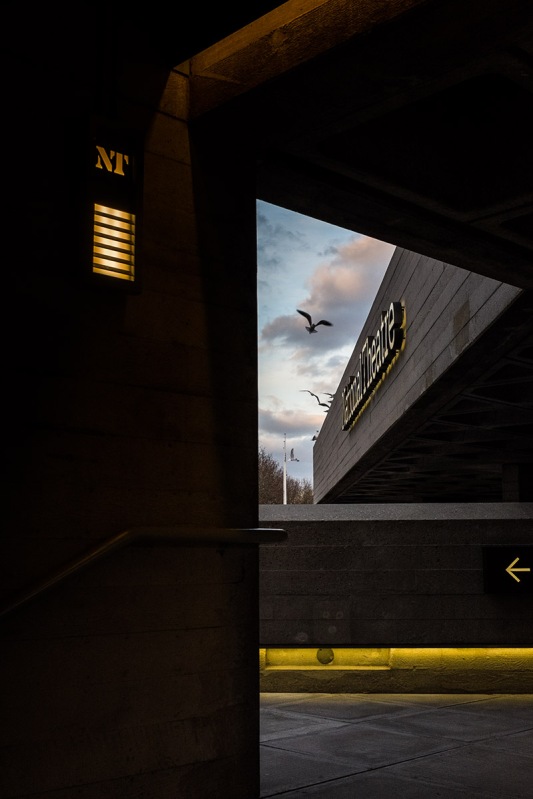
Dusk at the National Theatre

Dusk approaching at the National Theatre on London's South Bank. ©Neil Turner, March 2015.

Dusk approaching at the National Theatre on London’s South Bank. ©Neil Turner, March 2015.

Interesting evening light plus some fabulously brutal architecture makes for some interesting photos. Whilst walking to meet up with a friend and colleague at the National Theatre yesterday evening I was drawn to this section of concrete staircase and shot a few frames in one of those “just because…” moments.

Fujifilm X100S 800 ISO 1/250th of a second at f8.

Another photo worthy of an obituary

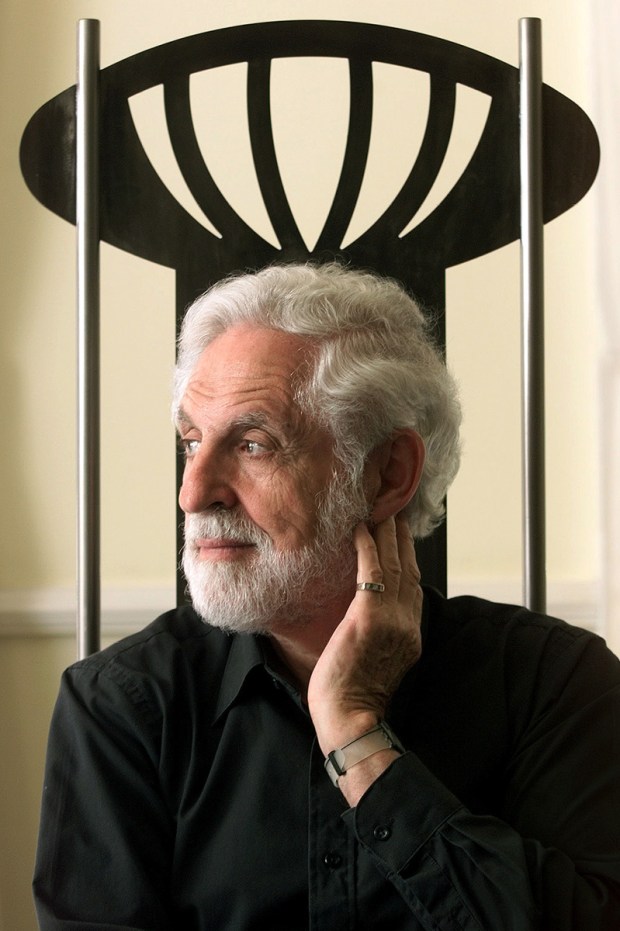
©Neil Turner/TSL. Carl Djerassi, June 1999, London.

©Neil Turner/TSL. Carl Djerassi, June 1999, London.

Carl Djerassi, the chemist widely considered the father of the birth control pill, has died aged 91. I photographed him back in 1999 sitting in what I thought was a very ‘egg-shaped’ chair in his London apartment. If you want to know more about him, The Guardian’s obituary is worth reading but my very clear memory of being there was that he was one of the calmest people that I had ever met. He was confident without being arrogant and his understanding of my job and the job of the reporter who went with me was absolute. He had, obviously, been interviewed and photographed hundreds of times before but I still believe it to be true that most people who have had that kind of media exposure still don’t ‘get it’ in the same way that he did.

It seems that almost every week now I see an obituary in the press of someone that I photographed earlier in my career and it has two distinct effects on me. The first is quite predictable – I feel that bit older each time it happens. The second effect is to make me realise how amazingly lucky I have been in meeting the people that I have met and having been able to make what I hope are portrait and feature images that will stand the test of time.

This particular photograph lived in my folio for many years. It was unusual for me to have shot quite such a reflective portrait at that time. I was busy trying to make a reputation for myself as ‘the guy’ who used strong lighting and strong compositions to compliment that lighting. Like most phases of a career, it passed. I can still shoot the strong pictures when the situation calls for it but this portrait is far closer to my current favoured style than almost anything that I shot in those early days of digital. When I look back at the more memorable images that I shot through the late 1990s – the period of transition from scanned negative film to 1.9 megapixel digital cameras – a lot of them have this kind of feel and that surprises me because my memory is of lighting everything in slightly over-the-top ways.

Technical stuff: Kodak DCS520 camera with a Canon 28-70 f2.8L lens. Ambient light, 1/160th of a second at f4 on 400 ISO.

Quiet documentary image

©Neil Turner, January 2015. Flowers and a memorial plaque to four local surfers on Boscombe Pier.

©Neil Turner, January 2015. Flowers and a memorial plaque to four local surfers on Boscombe Pier.

The light on the beach is almost always interesting and whilst out walking this morning I shot a few frames of a small bunch of flowers tucked behind a memorial plaque to four young local surfers on Boscombe Pier. I guess that I would call this a documentary image and it is yet another different way for me to shoot a beach picture. For me the photograph is a great deal stronger for having the back of the gentleman in the frame.

Tech stuff: Fujifilm X100S, 1/170th of a second at f11 on 320 ISO. RAW file processed through Adobe Camera RAW in Photoshop CC2014.

Hard light portrait

©Neil Turner/TSL, September 2007.

©Neil Turner/TSL, September 2007.

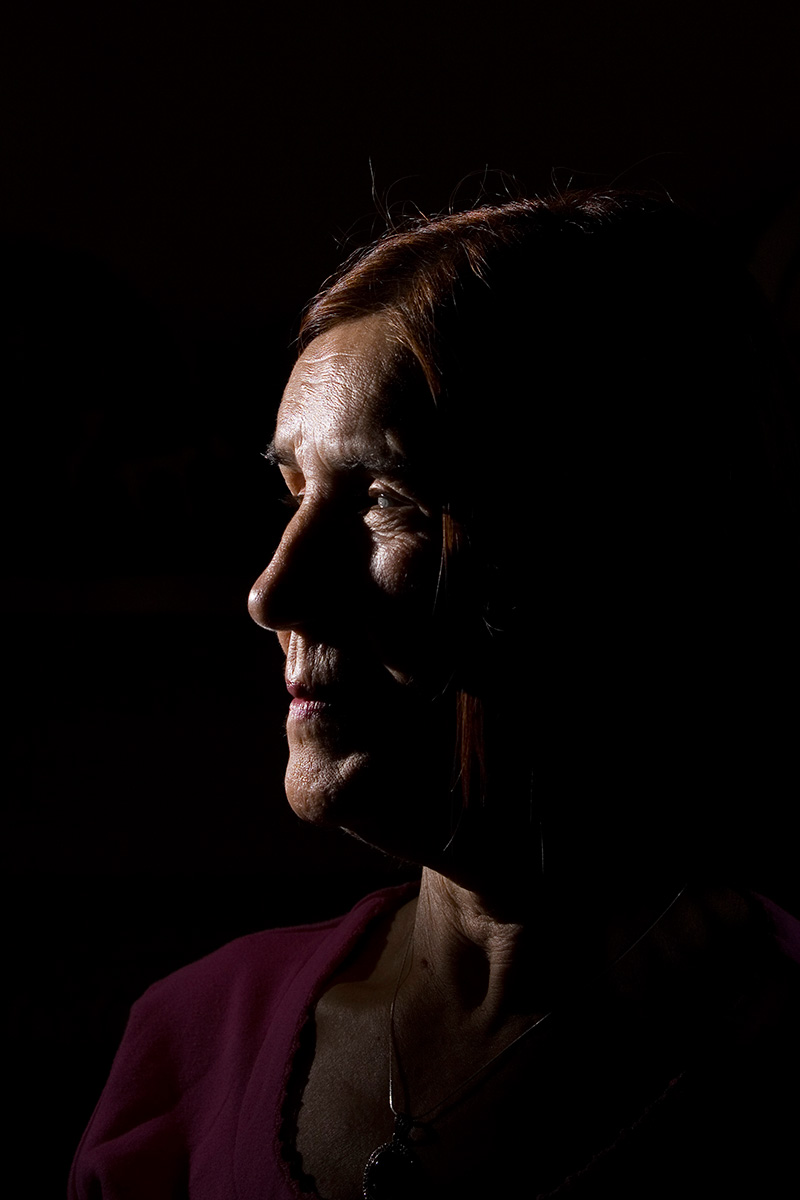
Not long after I took redundancy from my staff job at The Times Educational Supplement I spent several days putting together a collection of possible portfolio pictures. I was a long task as I’d been there for over fourteen years and when I eventually published my folio on line I had cut a couple of hundred photographs down to thirty. Whilst I was looking for something else today I came across that folder of 223 pictures and had a good root through.

Like most adventures down memory lane it reminded me of things that I’d forgotten and the story behind this picture immediately jumped into my mind. The lady in the portrait is a blind sculptor originally from Iran who was by this time married to a British teacher and living in south-west London. I have posted a portrait of her on this blog before when I discussed two surprisingly similar portraits that I’d made. This frame from the set has some of the harshest lighting that I’d ever used and it jumped out at me when I was looking today because I rarely use that kind of light any more. I guess that’s partly due to the nature of the clients I work for now – PR and corporates who don’t want anything as edgy as this was – and partly because my first instinct isn’t always to get the lights out any more. Even when I do light portraits I don’t mess around with the light as much as I once did. This goes with my Twitter #PWOTD which is TESTING

Techie stuff: Canon EOS1D MkII with a 70-200 f2.8 L IS lens at 70mm. 200 ISO 1/250th of a second at f8. Lumedyne flash.

Five day black & white challenge

©Neil Turner, November 2014. A young woman jogs along the promenade near Portman Ravine in Bournemouth with a child in a pushchair.

©Neil Turner, November 2014. A young woman jogs along the promenade near Portman Ravine in Bournemouth with a child in a pushchair.

A couple of weeks ago I was nominated by another photographer to take part in a Facebook Five Day Black & White Challenge. The idea was simple: to post a new black and white photo every day for five days. I have to admit that I was a bit reticent at first and posted pictures that I’d already taken in the previous few weeks. Then someone mentioned that they found the discipline of having to go out every day and shoot something new invigorating and so I started the challenge over again and shot specifically for it every day. My second challenge ended yesterday but it wasn’t until I was out shooting again today that I remembered that the challenge was over. What to do with the pictures from day six? The answer was to post the chosen frame to Facebook anyway and then to post it here too – as another “just because I like it” frame.

Technical stuff: Canon EOS6D with a 28mm f1.8 EF lens (cropped slightly). 160 ISO and 1/1250th of a second at f11 RAW file converted and desaturated using Adobe Camera RAW CC 2014 with a 5% bronze tint added.

After the storm

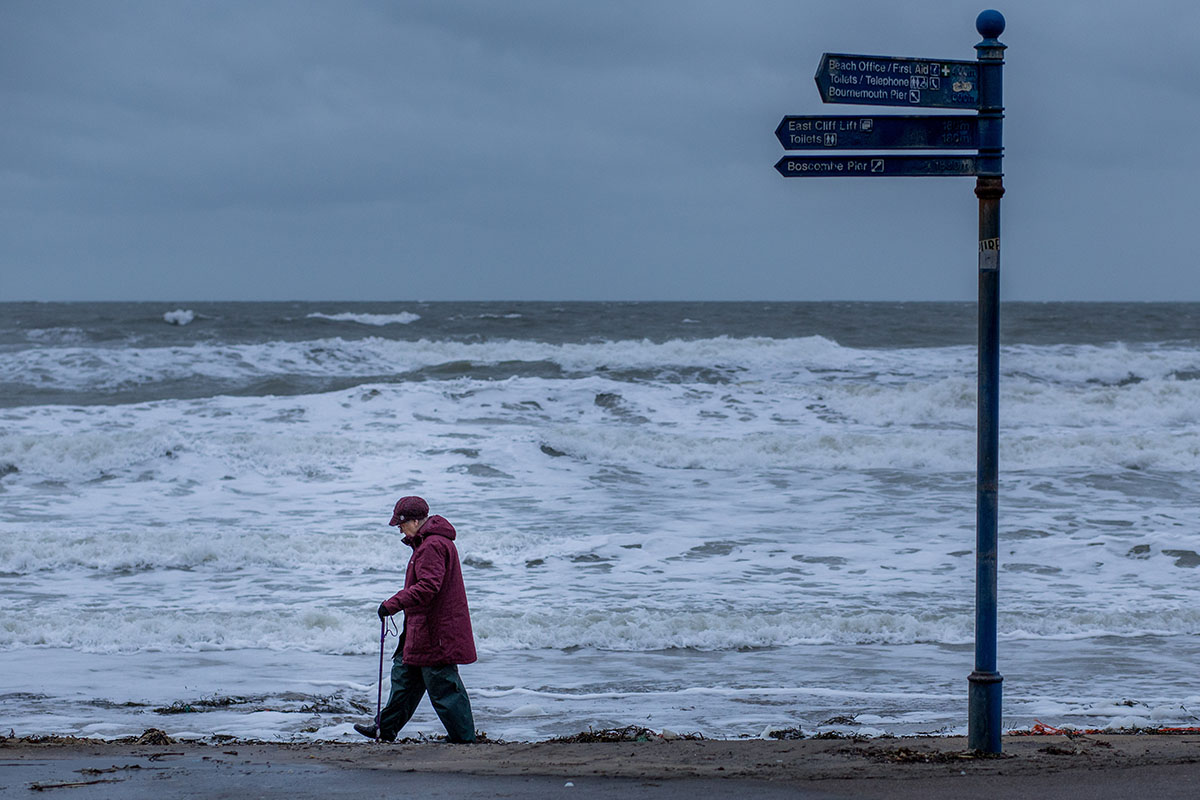
©Neil Turner, November 2014. A pensioner walks along the beach near Bournemouth Pier.

©Neil Turner, November 2014. A pensioner walks along the beach near Bournemouth Pier.

Following on from my post about zoom and prime lenses I was out with just the primes yesterday – walking along one of my favourite bits of beach in wild winds and failing light. I was just out having some photographic time before getting into the car for yet another drive up the M3 for work. This one was shot at 640 ISO at 1/1000th of a second at f4 with an 85mm f1.8 Canon EF lens on my rather lovely little Canon EOS6D – a camera that I am becoming increasingly fond of. When I’m doing personal work like this I tend to set the white balance to daylight and accept whatever colour cast I get and in this case it wasn’t far off of what the naked eye saw.

You learn something new every day

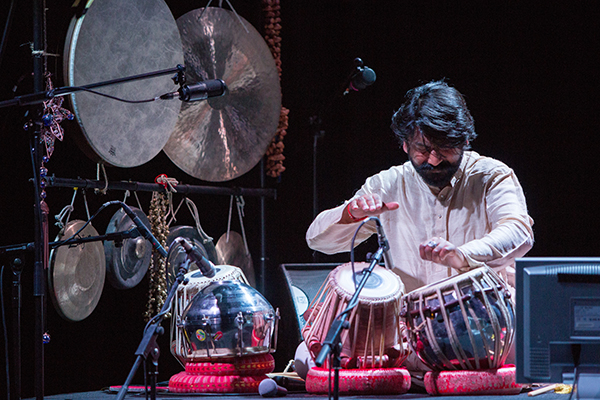
It is one of the universal truths of photography that you never stop learning. Almost every time you pick a camera up something happens that you squirrel away in your memory banks that will make a difference to how you shoot something else at some time in the future. Normally these are small things but this week I was shooting the wonderful Talvin Singh performing at an arts festival and something happened that made me scratch my head because I’d never experienced anything quite like it.
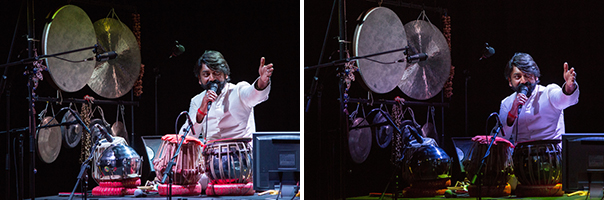
©Neil Turner, October 2104

©Neil Turner, October 2014

The two pictures above were taken within a fraction of a second of one another under ‘exactly’ the same lighting without flash and with identical settings (manual everything apart from focus) on the same camera with the same lens and have been processed through Adobe Camera RAW identically. So why are they different? The answer seems to be LED stage lighting. You might conclude that both pictures are ‘quite nice’ and move on but that’s not really an answer when you are shooting something that has a moment that you absolutely have to capture. I’ve had issues with un-balasted HMI lighting and of course strip lights but this was in another ‘issues league’ entirely.

It appears that these brand new lights installed in a state-of-the-art theatre are an absolute nightmare for stills photography. Now that I’ve experienced this, I have been reading up on it and it seems to be a known phenomenon where the lights cycle between the red, green and blue LEDs in the light at a speed that the human eye chooses not to detect but that a camera shooting at shutter speeds of 1/125th of a second or higher has a real problem with. The higher you go, the worse it gets. Of course you could shoot at 1/60th of a second and all would be reasonably well – apart from any movement being a little/lot blurred.

Being a complete anorak I decided to shoot a series of tests at an even higher shutter speed (having first racked the ISO up a way) to see what happened:

©Neil Turner, October 2014

©Neil Turner, October 2014

That makes shooting under these lights at the kind of shutter seeds you need to freeze action nigh on impossible. Once I had realised that there was an issue I dropped down to 1/100th of a second and then to 1/80th and shot lots of frames. The first five frames above were shot at 1/400th and the last one was at 1/100th – what a difference.

Most of what I have read about LED stage lights concerns white balancing – well that was the least of my worries here. It was almost as if shooting with shutter speeds in excess of the cameras maximum flash synch speed (the highest speed at which the entire chip is exposed at the same moment) was part of the problem. The LED stage lights in this theatre were effectively pulsing or flashing and the only way to get a consistent image was to work with that pulsing and use shutter speeds below the maximum flash synch. I have read something on what appeared to be a well-infomed website which implies that this only happens when the lights are dimmed – which makes some sense. I haven’t got enough experience with this to work out whether the speed thing is a coincidence or whether it is directly related but I now know how to shoot in this one venue with these lights.

Shooting with shutter speeds that are a long way below “ideal” some of my pictures were sharp and many weren’t – but the job got done. Constant reference to the screen on the back of the camera is frowned on by a lot of people but this case proves that there are times when it is exactly the right thing to do. Imagine having had to shoot this on film with no LCD…

Presumably more and more theatres and venues will use these lights and the problem will grow. Maybe there’s a solution out there already?

©Neil Turner, October 2014.

©Neil Turner, October 2014.

Techie stuff: Canon EOS5D MkIII with a 70-200 f2.8L IS Canon lens. 1/100th of a second at f3.2 on 2000 ISO. WB set to daylight but adjusted in Adobe Camera RAW removing quite a bit of magenta and adding a small amount of yellow.
Tonality – the black & white conversion app

Screen grab from Tonality 1.1.1

Screen grab from Tonality 1.1.1

I was intrigued by a recommendation that I read from a colleague for Tonality. I rarely go outside Adobe Camera RAW these days, even for black and white conversions, but I was tempted to have a go at something new and so I went to the Apple App Store and bought it. After a few attempts at fiddling with it I dismissed it as a very interesting application that I would master one day when I had the time. A few days ago I was asked by a client to convert a lot of images supplied to them as colour Jpegs into mono Jpegs with a slight tone over them. In the past I would have gone straight back to the RAW files and started again but I had the idea of giving Tonality a go.

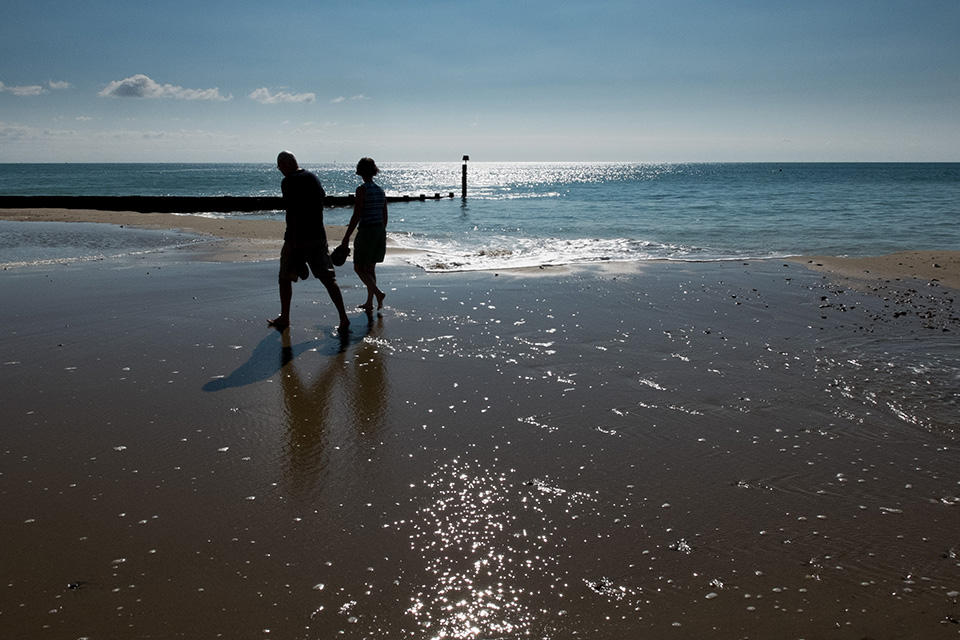
Like so many of the corporate jobs I shoot, the client would rather I didn’t show they images on my personal blog and so I grabbed some other interesting pictures from my ongoing personal work and applied the same sort of presets to them. It had taken me less than five minutes to become familiar with the sliders and controls and probably another five minutes to create the ideal and very subtle split toning effect that the client had been asking for. The two versions of a photograph taken on the beach at Bournemouth that you see below were a quick test for this blog post. The colour image is a Jpeg converted from a Fujifilm X20 RAW file in Adobe Camera RAW and the black and white version underneath was converted into black and white using the “adaptive exposure” auto setting in Tonality from that Jpeg.

©Neil Turner, September 2014. Bournemouth.

©Neil Turner, September 2014. Bournemouth.

©Neil Turner, September 2014. Bournemouth.

©Neil Turner, September 2014. Bournemouth.


I don’t know what you think but I am really impressed by the job that the auto has done and, whilst I could fiddle and get it even better, I am more than happy with it. I can hear you saying that this is also easy to do in Photoshop (and quite a few other apps and plug-ins) but the point is that it was done in Tonality and it was really easy. The application is capable of a lot of good stuff as well as a lot more completely over the top special effects that I wouldn’t touch with a barge pole.

When I get more time, I’m going to get right under the skin of this application. Until then, it will be used on my personal project work. If a client asks for toned mono images again, I will definitely look as using Tonality for that too.

The UK price is £13.99 – which is a little bit dearer than most Apps that I would buy just to have a play. It’s a very simple app that achieves its goals.